Conclusion
This fourth assessment of the Al-Pac FMA area provides an independent evaluation of land cover changes and impacts to biodiversity across the region.
.svg)
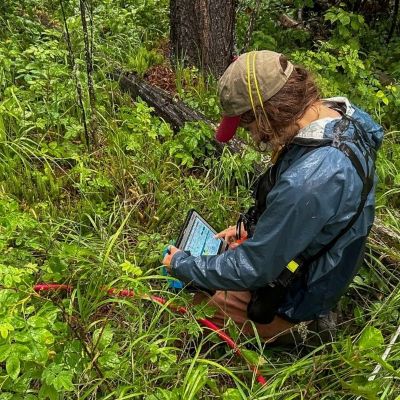
- This update expands on previous assessments to contribute to a more detailed understanding of how forests in the Al-Pac FMA area are changing over time.
- In addition to existing indicators—such as interior native habitat, human footprint, and biodiversity intactness—new indicators for native cover, landscape connectivity, and land-base change attribution have been added. This release also includes new research spotlights on harvest retention patches and species of management concern in the FMA area.
- Together, these results help assess both human and natural influences on the landscape, highlighting indicators that are stable or increasing, as well as those that require continued attention.
Stable & Increasing Indicators
- Overall condition: Boreal forests across the FMA area maintain extensive undisturbed native vegetation (~90%) and high biodiversity intactness (~95%).
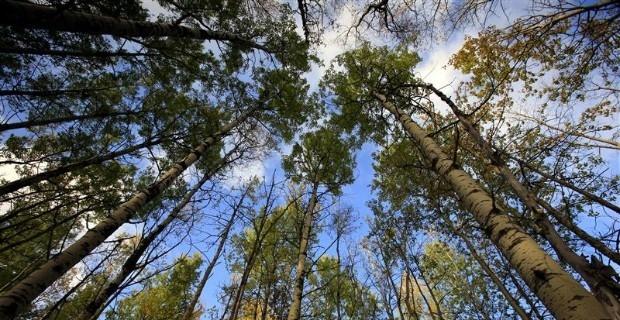
- Old forest gains: Between 2010 and 2023, the area of old forest (>100 years) increased by roughly 6%, as maturing stands offset losses from wildfire and land-use activities.
- Forest recovery: Forestry remains the dominant land use but with regeneration, contributes to long-term habitat renewal. Many species of birds, mammals, and vascular plants associated with young or regenerating forests showed habitat gains as a result of these dynamics.
- Drivers of change: Natural processes, including wildfire and forest aging, are major influences on biodiversity change, highlighting the importance of distinguishing between natural and human footprint in landscape assessments.
- Ecosystem-based management: Research on harvest retention patches indicates that structural retention can help maintain some habitat features similar to those in wildfire patches and provide benefits for certain bird species, though ongoing monitoring is needed to assess long-term effectiveness.
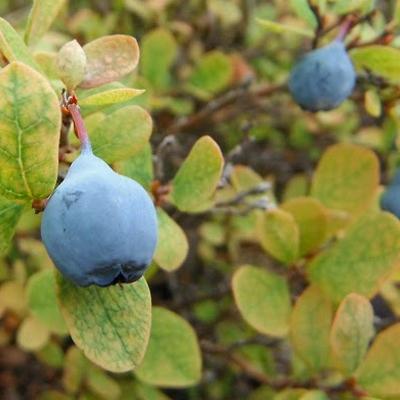

Native habitat and biodiversity intactness were high
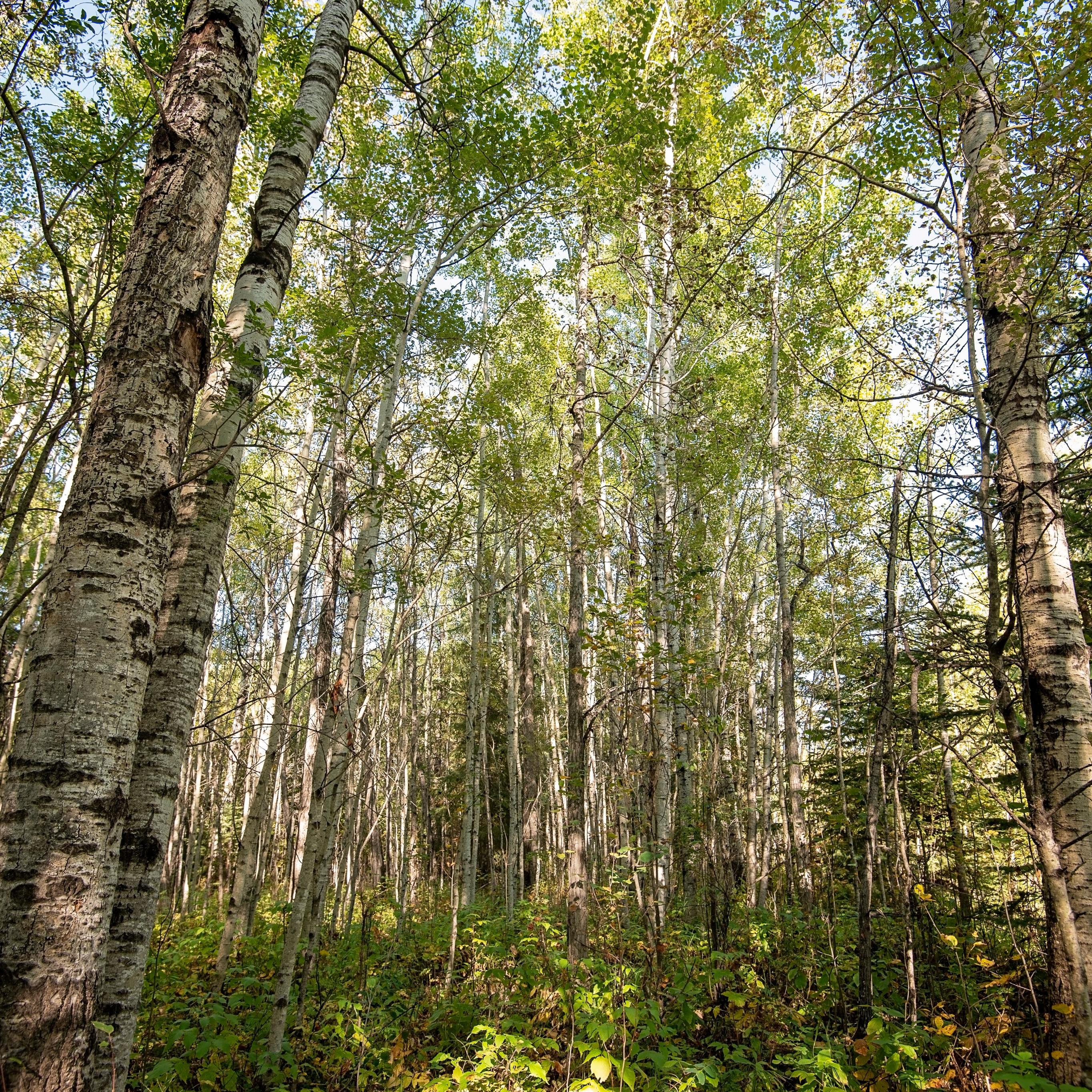
Area of old forest increased between 2010 and 2023
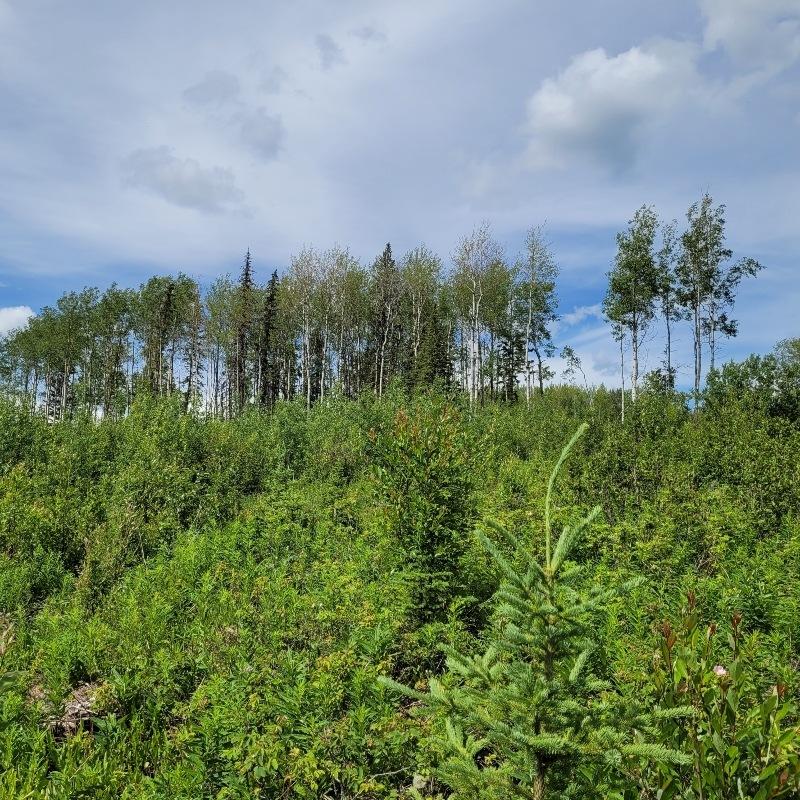
Retention patches have some habitat characteristics similar to wildfire patches, and are beneficial to some birds
Management Considerations
- Disturbance: All types of human footprint, including forestry, continue to increase. Cumulatively, human land use and wildfire affected about 13% of the FMA area between 2010 and 2023, with over a quarter of some forest types impacted.
- Declines in natural landscape indicators: From 2010 to 2023, modest but consistent declines were observed in native cover, interior habitat, and landscape connectivity, driven by the combined influence of human footprint and natural disturbance.
- Loss in deeper interior habitats: The greatest declines occurred in the most remote forest interiors. Maintaining mature, continuous forest cover remains essential for old-forest species such as Canada Warbler and Black-throated Green Warbler.
- Pressure on forest types: Although total old-forest area increased overall, old Mixedwood and White Spruce forests declined due to wildfire and forestry indicating higher pressure on some forest types.
- Lichen and moss habitat: Habitat suitability for the majority of lichen and moss species declined, reflecting sensitivity to both human footprint and wildfire.
- Caribou recovery: Caribou recovery continues to be a conservation priority throughout the boreal region. Ongoing revegetation and monitoring of habitat recovery within Woodland Caribou ranges, both inside and adjacent to the FMA area, remain critical for the recovery of this threatened species.
There are localized areas that continue to experience higher impacts from disturbance and habitat loss that are not reflected by regional-scale indicators results highlighted in this report. These patterns underscore the importance of adaptive management informed by long-term monitoring data.
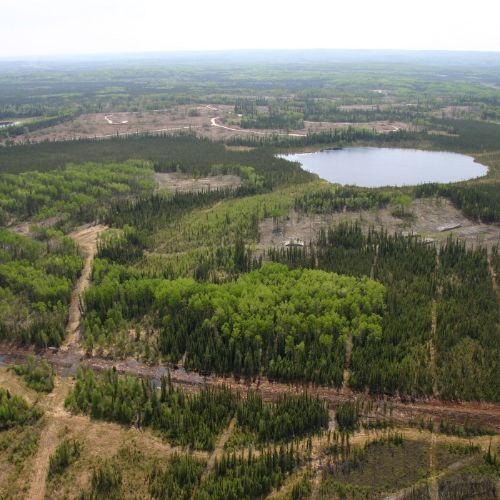
There are ongoing losses of interior habitat far from human footprint
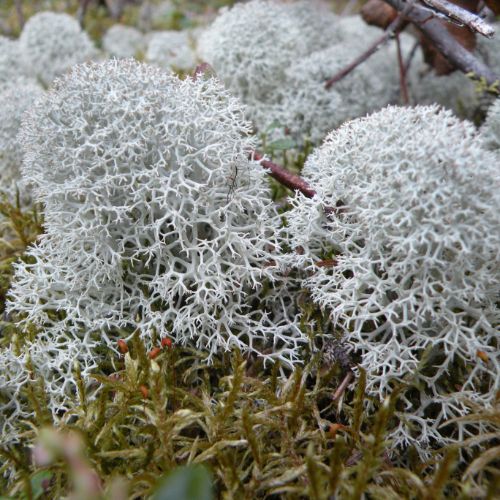
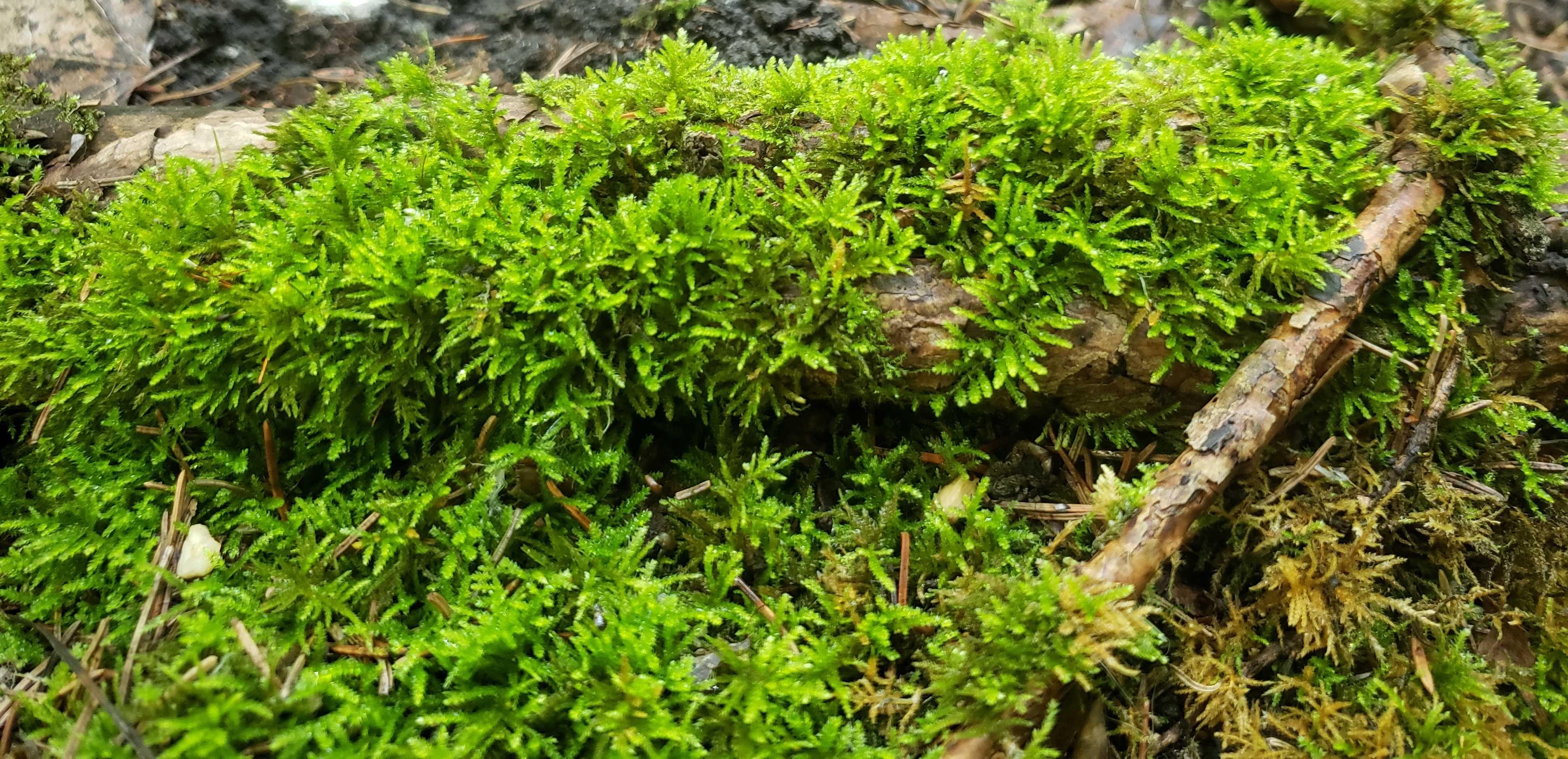
Habitat suitability declines for the majority of mosses and lichen as a result of disturbance
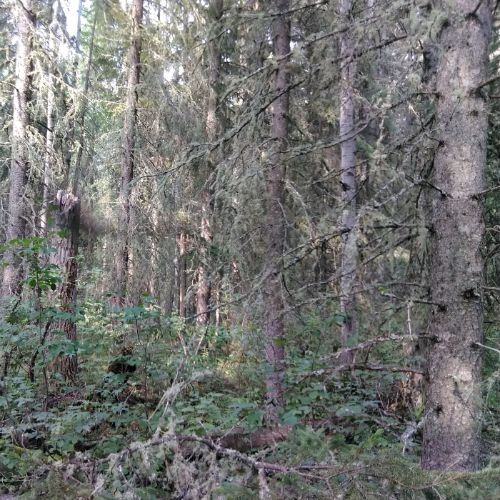
White Spruce and mixedwood old forests face the greatest pressure.
Looking Forward
Building on two decades of data collection and analytical advancement, the ABMI will continue to track cumulative effects and habitat change across the Al-Pac FMA area to support adaptive, evidence-based management.
Over the next five years, the program will further integrate remote sensing with field monitoring to better detect vegetation change, disturbance recovery, and species responses. These improvements will refine biodiversity indicators and help identify emerging ecological trends and management priorities.
Through continued collaboration, Al-Pac and the ABMI remain committed to transparent, science-based reporting that supports sustainable forest management and the long-term ecological integrity of Alberta’s boreal forests.