Effects of Human Footprint on Habitat Suitability
Summary of the impacts of industrial sector footprints on habitat suitability for species across six taxonomic groups in the Al-Pac FMA area.
.svg)
_432x432.jpg)
- Habitat suitability was lower within human footprint compared to the native vegetation it replaced for 69% of species across six taxonomic groups.
- Lichens and mosses were the groups most negatively affected by human footprint.
- Forestry footprint resulted in stronger negative effects on species reliant on old, upland forest stands.
- All sectors have types of land-use activities that increase habitat suitability for species associated with open and/or disturbed habitat.
Methods for summarizing sector effects are described in Section 1.3.3.
Introduction
- Identifying the species most affected by a particular industrial sector can support land-use planning and, if necessary, help develop mitigation strategies. However, with multiple industries operating within the same land base, disentangling the specific impacts of each industry on different species can be challenging.
- Al-Pac harvests deciduous and coniferous tree species in its FMA area, where it shares forestry tenure with other companies and overlaps with tenures for other natural resources, such as oil and gas.
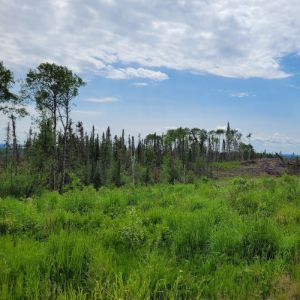

Species that prefer open habitats or disturbed soils often benefit from human footprint.
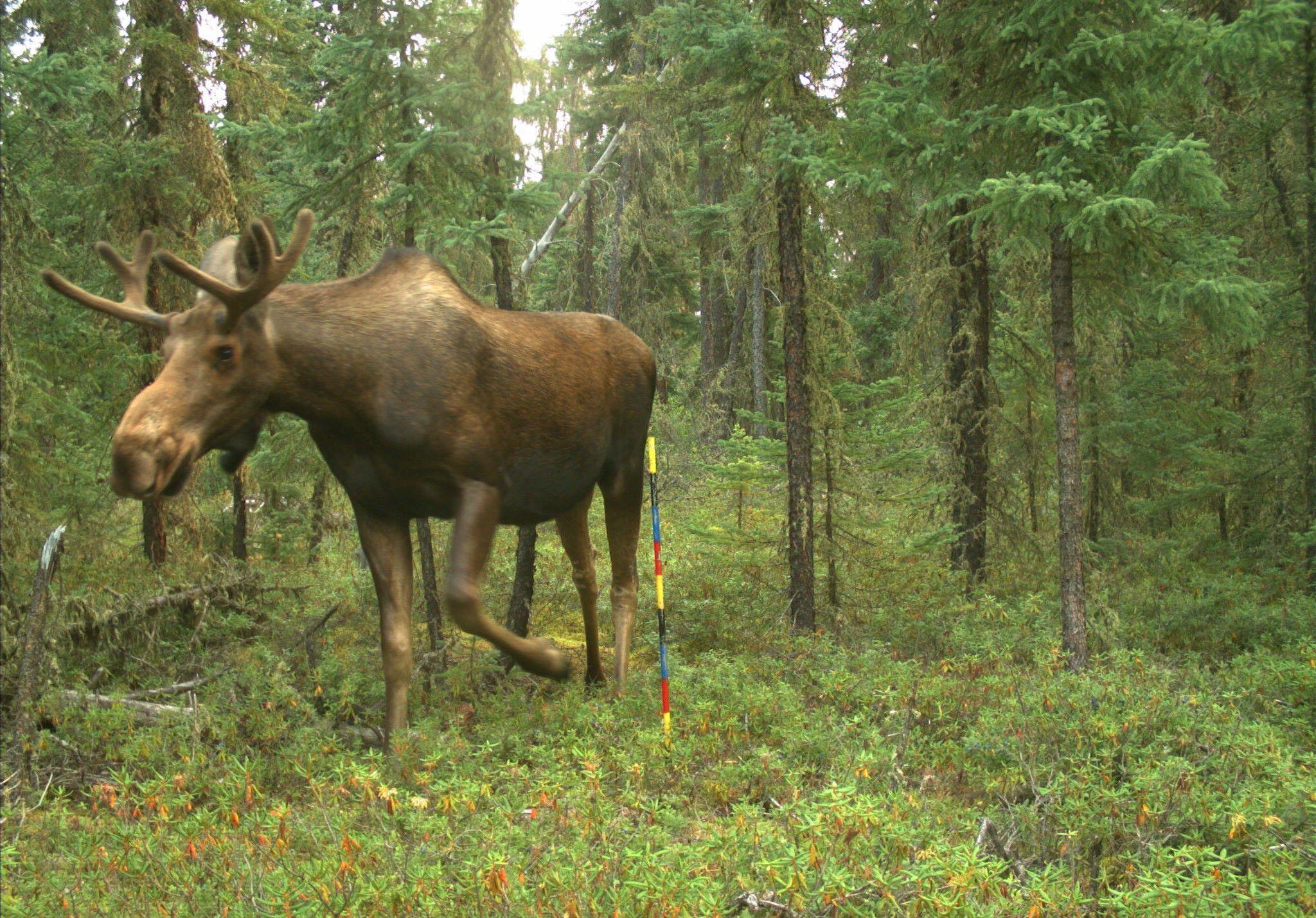
Many mammals show increased habitat suitability with human footprint, using these features to move more easily across the landscape.
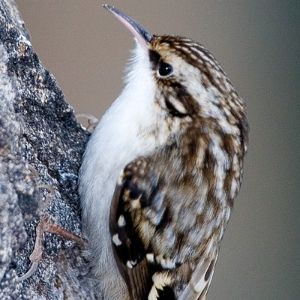
Habitat suitability declines for species that are associated with mature forests as a result of development activities.
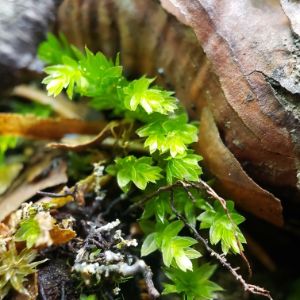
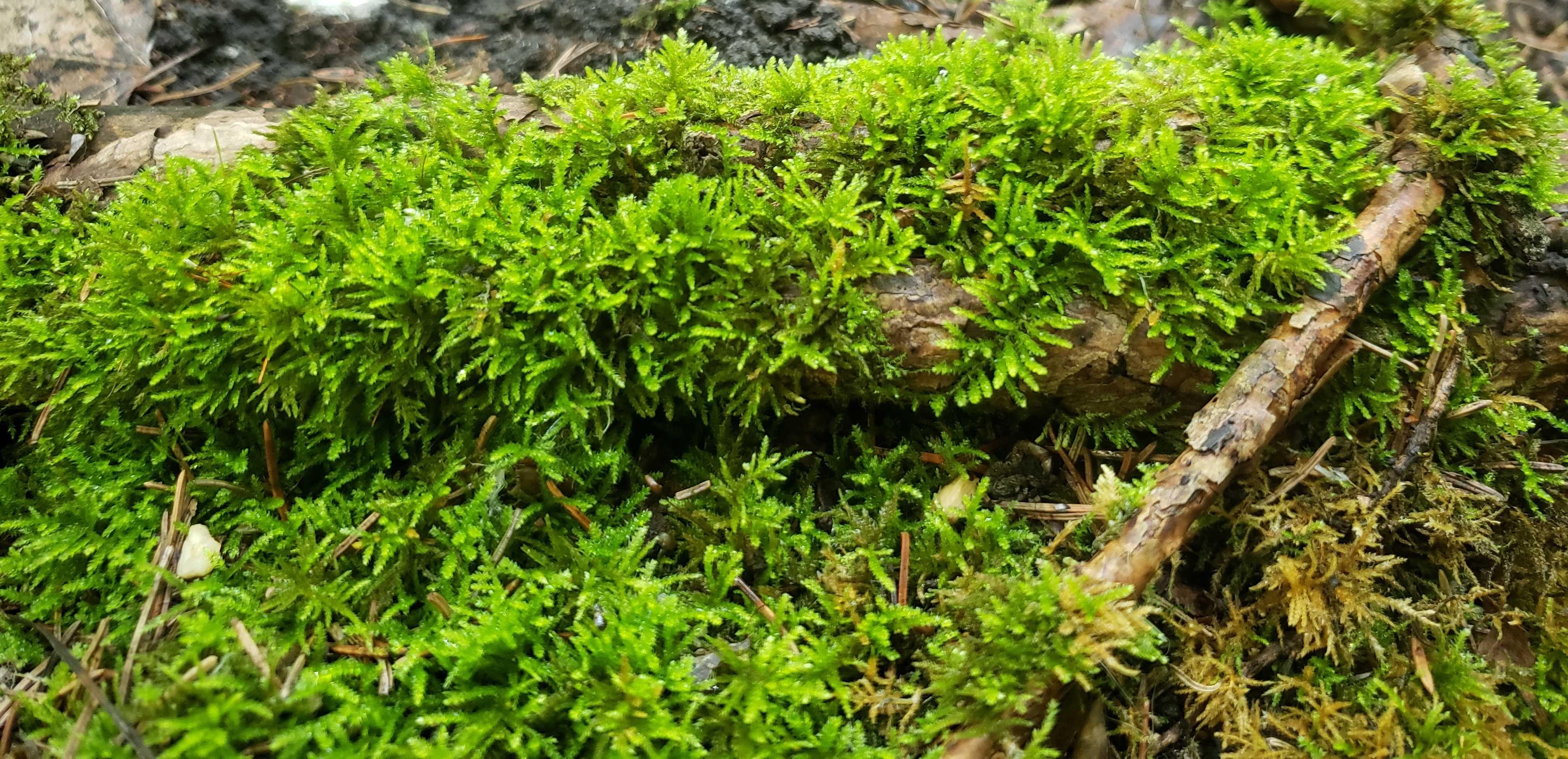
Mosses and lichens are highly sensitive to environmental changes and typically experience reduced habitat suitability in disturbed landscapes.
Results
The ABMI assessed the impacts of human footprint from four different sectors—energy, forestry, transportation, and urban/industrial—on six taxonomic groups in the Al-Pac FMA area. Because agriculture footprint is so small and localized in this landscape (<0.02%), its impacts are not discussed.
Sector effects were assessed at two scales:
- Local Sector Effects: reflects how habitat suitability changes in areas directly impacted by industrial activities. In other words, does habitat suitability change between pre and post disturbance.
- Regional Sector Effects: indicate how habitat suitability across a region changes due to the footprint of each sector. This incorporates the area of the footprint, the native habitats impacted where the footprint occurs, and the species’ response to a particular footprint. The calculation includes the entire Al-Pac FMA land base, where large tracts have minimal human footprint.
Birds
The graphs below show the distribution of bird species' responses to different sectors at the local scale (i.e., within the footprint) and at the regional scale. Examples of how different bird species respond to all sector effects combined at the regional scale include:
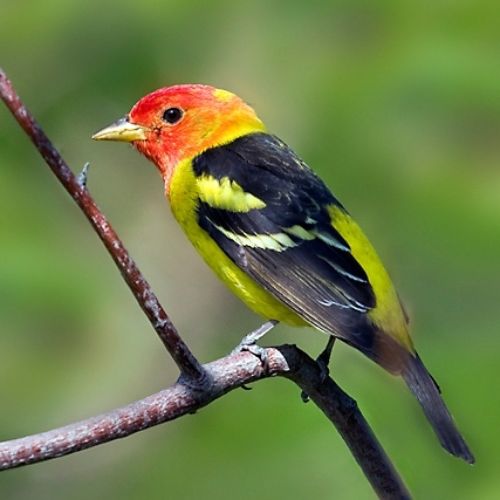
Western Tanager is associated with older upland forests, especially mixedwood stands. Habitat suitability is predicted to decrease for this species.
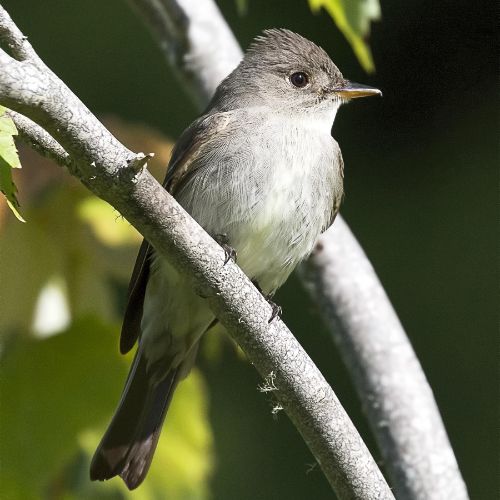
Western Wood-Pewee prefers young forest stands with opening and edges. Habitat suitability is not predicted to change.
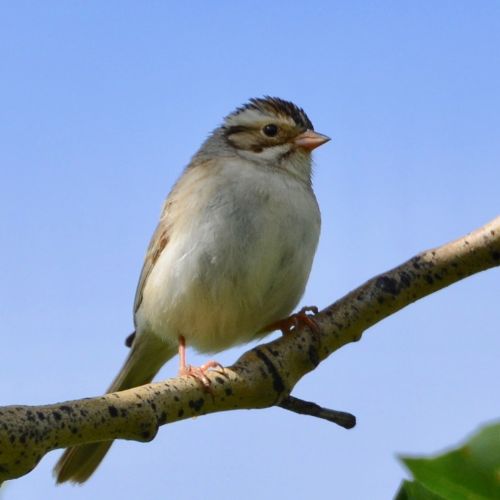
Clay-Colored Sparrow select open habitats with grass, including agricultural or recently harvested areas. Habitat suitability is predicted to increase for this species.
Local Sector Effects. Predicted changes (%) to bird species’ habitat suitability within each human footprint type compared to the habitat it replaced in the Al-Pac FMA area. Sector effects values <0% indicate lower suitability in that type of footprint than in the original habitat; values >0% indicate a positive response.
Regional Sector Effects. Total regional effects (%) on habitat suitability by industrial sector for bird species in the Al-Pac FMA area. Total effects values <0% indicate lower habitat suitability at the regional scale due to a particular sector; values >0% indicate an increase in habitat suitability.
Graph Interpretation
At the local scale where human footprint occurs, bird species show mixed responses to changes in habitat suitability in the Al-Pac FMA area.
- Within forestry footprint, an equal number of bird species experienced positive and negative effects on habitat suitability.
- Species such as Lincoln's Sparrow, which are associated with early seral forests, show improved habitat suitability within forestry footprints and tend to thrive in young harvest areas. Similarly, species like the Clay-colored Sparrow which prefer open habitats such as fields and grasslands also respond positively. The bird species that respond most negatively to forestry impacts are typically associated with mature or old forests (e.g., Cape May Warbler).
- Habitat suitability decreased for 60% of bird species in energy footprint.
- Urban/industrial and transportation footprint types reduce the habitat suitability for the majority of bird species (86% and 89%, respectively) compared to the native habitat they replace and provide unsuitable habitat for a few species (-100% change for urban/industrial and -98% change for transportation).
- Across all footprint types, some bird species show large increases in habitat suitability (>100%). These species are typically rare in native habitats but do well in disturbed areas or are generalists (e.g., Song Sparrow).
At the regional scale, overall human footprint has a mixed effect on habitat suitability on bird species, with 60% of species showing decreases and 40% showing increases.
- Forestry footprint has the greatest effects on regional habitat suitability for birds compared to other sectors in Al-Pac’s FMA area because it occupies the greatest area; effects ranged from a 22% loss (Black-throated Green Warbler) in habitat to a 18% gain (Alder Flycatcher) in habitat.
- Forestry has somewhat stronger negative effects (>10%) on habitat suitability for several bird species that are associated with the older upland forests where this sector operates (e.g., Western Tanager at -14% and Canada Warbler at -17%).
- Forestry leads to large increases in the regional habitat suitability for several species of birds, including Clay-colored Sparrow (+9%) and Rose-breasted Grosbeak (+7%). These species either prefer recent harvest areas or prefer open habitats.
- Energy development has the second-largest effect, with habitat suitability changes ranging from a 2% loss to a 4% gain. Species that benefit from energy footprint tend to nest or forage in clearings, well sites, and edge habitats,
- The limited extent of transportation and urban/industrial footprint results in minimal effects on regional bird habitat suitability.
Mammals
The graphs below show the distribution of mammal species' responses to different sectors at the local scale (i.e., within the footprint) and at the regional scale. Examples of how different mammal species respond to all sector effects combined at the regional scale include:
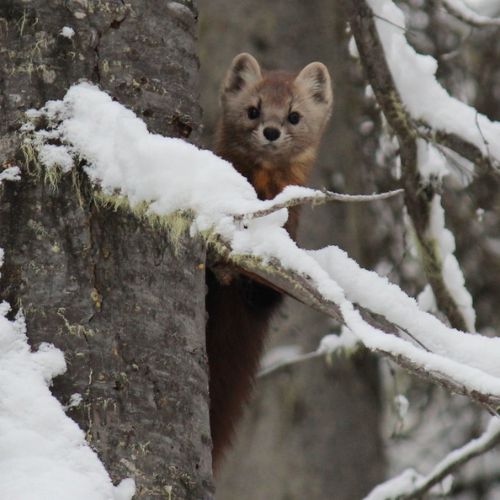
Martens prefer mature conifer forests with cover provided by coarse woody debris and understory vegetation. Habitat suitability is predicted to decrease for this species.
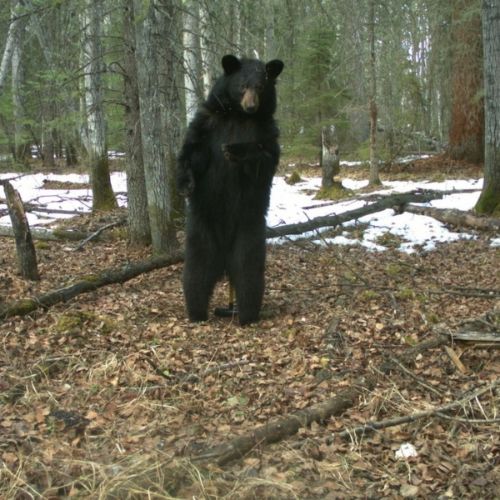
Black bear is associated with forests, commonly along forest edges. Habitat suitability is not predicted to change for this species.
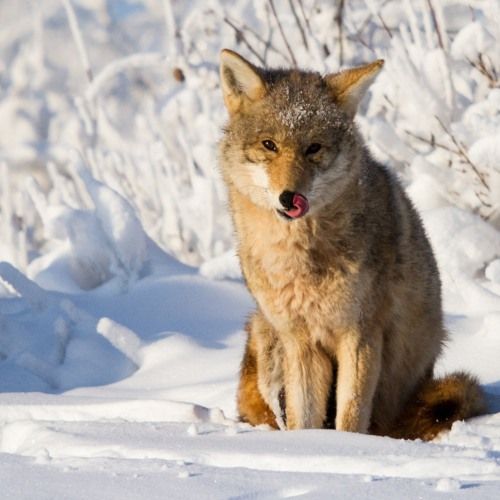
Coyotes are generalist species that will live in various habitats. Habitat suitability is predicted to increase for this species.
Local Sector Effects. Predicted changes (%) to mammal species’ habitat suitability within each human footprint type compared to the habitat it replaced in the Al-Pac FMA area. Sector effects values <0% indicate lower suitability in that type of footprint than in the original habitat; values >0% indicate a positive response.
Regional Sector Effects. Total regional effects (%) on habitat suitability by the industrial sector for mammal species in the Al-Pac FMA area. Total effects values <0% indicate lower habitat suitability at the regional scale due to a particular sector; values >0% indicate an increase in habitat suitability.
Graph Interpretation
At the local scale where human footprint occurs, habitat suitability is improved for seven mammal species, and lower for four in the Al-Pac FMA area.
- Forestry has the smallest impact on mammal habitat among industrial sectors, improving suitability for 7 of 10 species. By creating open areas and young regenerating forests, it produces forage and berries used by species such as White-tailed Deer and Black Bear.
- Likewise, energy development improves habitat suitability for 7 of 10 mammal species.
- Habitat suitability declines for most mammal species in urban/industrial (8 species) and transportation footprints (6 species), which may be the result of both habitat loss as well as avoidance of these footprint due to human activity
- Marten and Fisher lose habitat across nearly all sectors, with the exception of a slight increase in habitat suitability for Fisher (+3%) within the forestry footprint. These declines are likely linked to their reliance on older forest habitats.
- In contrast, generalist species like Coyote, and those that prefer shrubby or early successional habitats, such as Canada Lynx and Snowshoe Hare, experience habitat gains in all sector footprints.
At the regional scale, overall human footprint shows relatively little impact on mammal species in the Al-Pac FMA area.
- Most large mammals that the ABMI monitors with wildlife cameras are habitat generalists or use early seral habitat and show relatively little response to scattered human footprint at the regional scale.
- Forestry footprint results in small changes in habitat suitability for mammals at the regional scale, ranging from a 4% loss for Red Fox to a 5% gain in habitat for Coyote, as the younger regenerating forest attracts prey species and creates more opportunities to hunt.
- Changes in habitat suitability due to energy footprint were generally small (-1% to +4%).
- The limited extent of the remaining urban/industrial and transportation footprints reduces their effects on regional mammal populations, with habitat suitability ranging from 0% to +2% of intact reference conditions.
Soil Mites
The graphs below show the distribution of soil mite species' responses to different sectors at the local scale (i.e., within the footprint) and at the regional scale. Examples of how different soil mite species respond to all sector effects combined at the regional scale include:
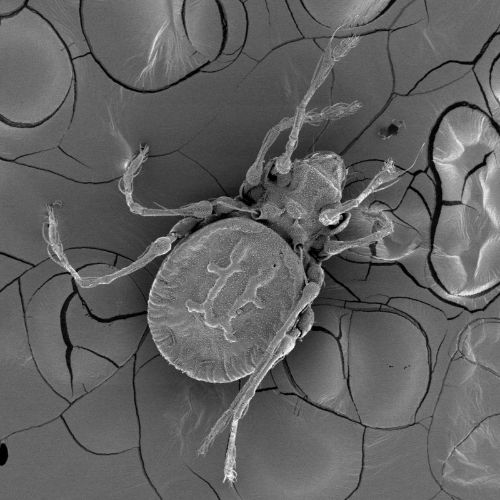
Gymnodamaeus ornatus is associated with older deciduous stands and is negatively affected by human footprint. Habitat suitability for this species is predicted to decrease.
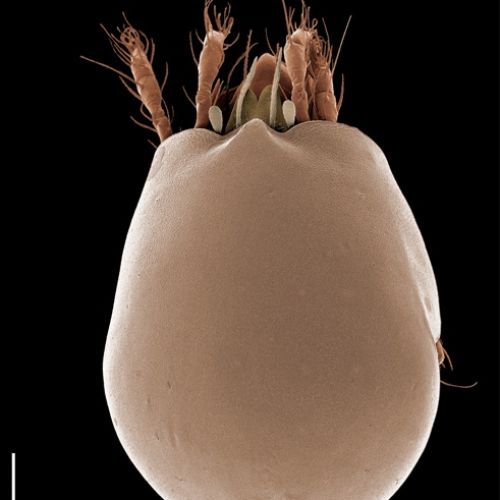
Dentizetes ledensis is associated with Black Spruce forests, especially in fens and shrubby bogs. No change in habitat suitability is predicted for this species.
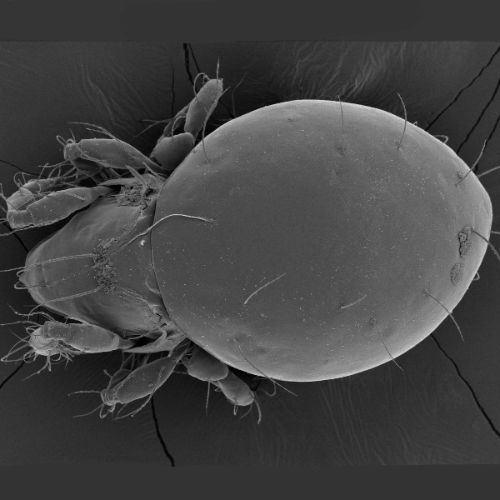
Banksinoma spinifera thrive in all types of human footprint. Habitat suitability is predicted to increase for this species.
Local Sector Effects. Predicted changes (%) to soil mite species’ habitat suitability within each human footprint type compared to the habitat it replaced in the Al-Pac FMA area. Sector effects values <0% indicate lower suitability in that type of footprint than in the original habitat; values >0% indicate a positive response.
Regional Sector Effects. Total regional effects (%) on habitat suitability by the industrial sector for soil mite species in the Al-Pac FMA area. Total effects values <0% indicate lower habitat suitability at the regional scale due to a particular sector; values >0% indicate an increase in habitat suitability.
Graph Interpretation
At the local scale where human footprint occurs, habitat suitability is reduced for 71% of soil mite species in the Al-Pac FMA area.
- Forestry footprint decreases habitat suitability for 59% of soil mite species, many of which are associated with older forests. For example, Atropacarus striculus and Gymnodamaeus ornatus are associated with older deciduous forests
- Energy and transportation footprint reduces habitat suitability for 61% and 66% of soil mite species, respectively, while urban/industrial footprint reduces habitat suitability for all but ten soil mite species. Repeated soil disturbance in these footprints severely compacts soil and eliminates key habitat elements like leaf litter which negatively impact soil mites.
At the regional scale, overall human footprint lowers habitat suitability for 71% of soil mite species in the Al-Pac FMA area.
- Forestry footprint results in the greatest changes in habitat suitability at the regional scale compared to other sectors because it occupies the greatest area; effects ranged from a 25% loss in habitat (Epidamaeus sp. 1 DEW), to a gain of 17% (Zetomimus francisi).
- Some of the strongest negative effects of forestry footprint are found in species, such as Gymnodamaeus ornatus (-9%) and Epidamaeus coxalis (-7%), that are associated with older deciduous stands.
- Energy results in smaller impacts at the regional scale because of its smaller footprint, with the habitat suitability for most species within ±3% of intact reference conditions. However, 13 species—such as Banksinoma spinifera (+30%), which tends to thrive in human footprint—show gains in habitat at the regional scale.
- The limited extent of the other sectors reduces their effects on the regional habitat suitability for soil mites.
Vascular Plants
The graphs below show the distribution of vascular plant species' responses to different sectors at the local scale (i.e., within the footprint) and at the regional scale. Examples of how different vascular plant species respond to all sector effects combined at the regional scale include:
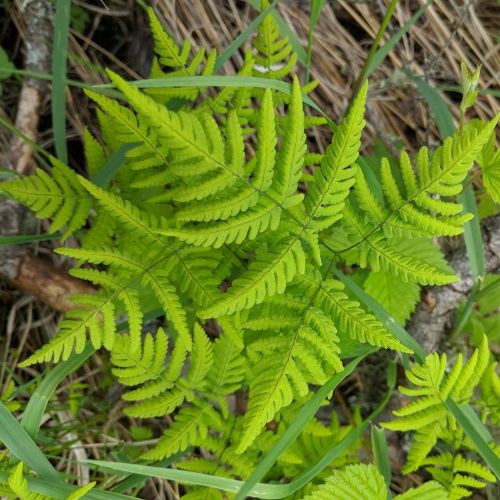
Oak Fern is associated with older upland forests, especially mixedwood. It is negatively impacted by all human footprint types. Habitat suitability for this species is predicted to decrease.
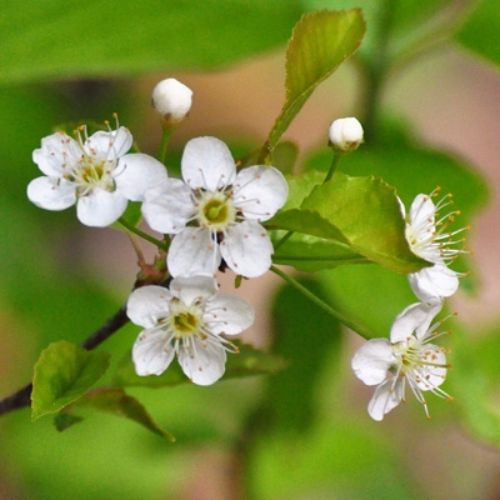
Pin cherry prefers young, open forests and forest edges. Habitat suitability is not predicted to change for this species.
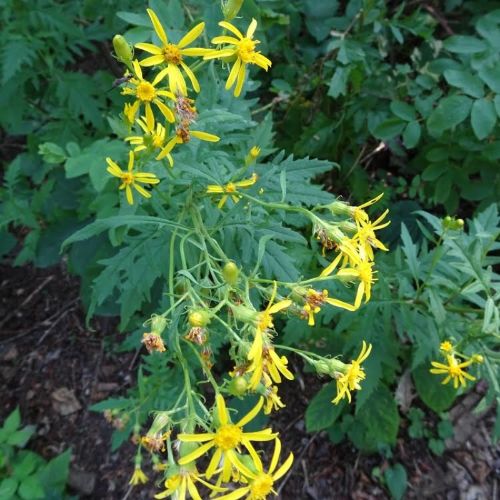
Cut Leaved Ragwort prefer open habitat and ground disturbance, such as recent harvests. Habitat suitability is predicted to increase for this species.
Local Sector Effects. Predicted changes (%) to vascular plant species’ habitat suitability within each human footprint type compared to the habitat it replaced in the Al-Pac FMA area. Sector effects values <0% indicate lower suitability in that type of footprint than in the original habitat; values >0% indicate a positive response.
Regional Sector Effects. Total regional effects (%) on habitat suitability by the industrial sector for vascular plant species in the Al-Pac FMA area. Total effects values <0% indicate lower habitat suitability at the regional scale due to a particular sector; values >0% indicate an increase in habitat suitability.
Graph Interpretation
At the local scale where human footprint occurs, vascular plant species show mixed responses to changes in habitat suitability in the Al-Pac FMA area.
- Habitat suitability is improved for a little more than half of vascular plant species in forestry (52%), energy (53%) and transportation (55%) footprints. The disturbed soils and increased light availability created by these sectors benefit many plants, such as the Yellow Rattle which grows in open, sunny habitats with well-drained soils.
- In forestry footprint, of the species showing a decline in habitat suitability, 40 experienced a reduction of 50% or more. These species are often associated with shaded forest conditions.
- Urban/industrial footprint has the largest overall effect, with habitat suitability decreasing for 83% of vascular plant species. This may be due to extensive land conversion, soil sealing, and the loss of natural vegetation.
- In each footprint type there are several vascular plant species that have very large percent increases (>100%) in habitat suitability. Many of these species are pioneer species i.e. species that colonize new or recently disturbed environments and that do well in human footprint.
At the regional scale, overall human footprint lowers habitat suitability for 60% of vascular plant species in the Al-Pac FMA area.
- Forestry footprint has the greatest effects on regional habitat suitability for vascular plants compared to other sectors in the Al-Pac FMA area because it occupies the greatest area; effects range from a 16% (Clasping Leaved Twisted Stalk) loss in habitat to a 31% (Rough Cinquefoil) gain.
- Forestry has somewhat stronger negative effects (>10%) on regional habitat suitability for five vascular plant species, including Lady Fern (-10%) and Oak Fern (-11%), which are associated with the older upland forests where this sector operates; these species are negatively affected by all footprint types.
- Forestry produces large increases (>10%) in the regional habitat suitability for thirteen species of vascular plants, such as Cut Leaved Ragwort (28%). These species either prefer recent harvest areas or prefer open habitats and ground disturbances.
- While 53% of plants lost habitat at the regional scale due to energy footprint, declines were no more than 4% for any species, and 25 species showed gains of 10% or more.
- The limited extent of urban/industrial and transportation reduces their effects on the regional habitat suitability for vascular plants, with responses generally falling within -1% to +5% of intact reference conditions. Two species showed increases >10% as a result of transportation, Narrow Leaved Collomia (+23%) and Red Fescue (+12%).
Mosses
The graphs below show the distribution of moss species' responses to different sectors at the local scale (i.e., within the footprint) and at the regional scale. Examples of how different moss species respond to all sector effects combined at the regional scale include:
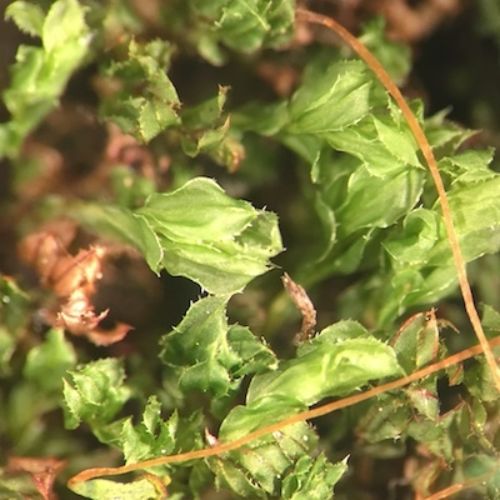
Red-Mouthed Leafy Moss is associated with older forests, especially mixedwoods, and responds negatively to all types of human footprint. Habitat suitability is predicted to decrease for this species.
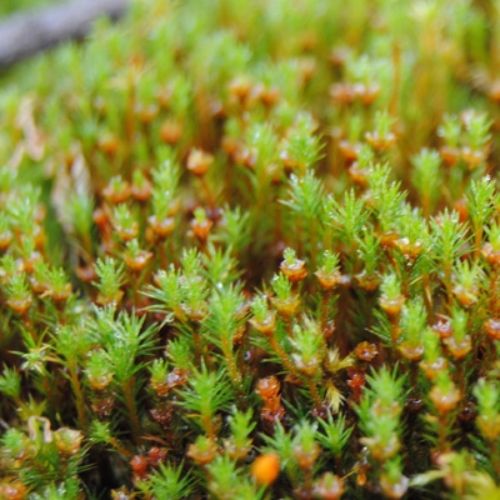
Strict Haircap is associated with Black Spruce forests, especially younger stands, and bogs. Habitat suitability is not predicted to change for this species.
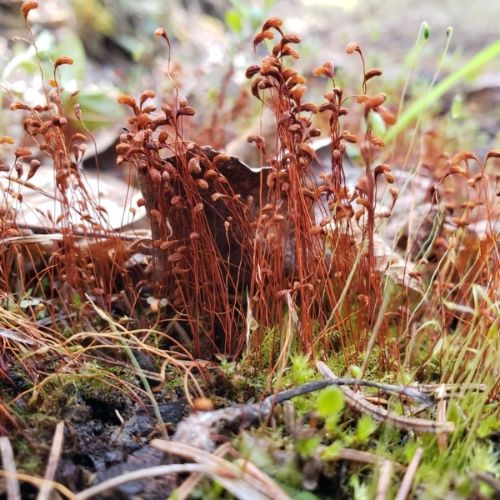
Cord Moss is found in mature deciduous and mixedwood forests. Habitat suitability is predicted to increase for this species.
Local Scale Sector Effects. Predicted changes (%) to moss species’ habitat suitability within each human footprint type compared to the habitat it replaced in the Al-Pac FMA area. Sector effects values <0% indicate lower suitability in that type of footprint than in the original habitat; values >0% indicate a positive response.
Regional Sector Effects. Total regional effects (%) on habitat suitability by the industrial sector for moss species in the Al-Pac FMA area. Total effects values <0% indicate lower habitat suitability at the regional scale due to a particular sector; values >0% indicate an increase in habitat suitability.
Graph Interpretation
At the local scale where human footprint occurs, habitat suitability is reduced for 80% of moss species in the Al-Pac FMA area.
- In forestry footprint, habitat suitability is reduced for 68% of moss species. Many mosses are associated with habitat elements that are most abundant in old forests, such as downed wood and moist, shaded habitat.
- Habitat suitability decreases in energy and transportation footprint for more than 75% of moss species.
- Urban/industrial footprint reduces habitat suitability for 95% of moss species. Many species simply cannot live in this footprint type.
- In general, mosses rely on stable, moist, shaded microhabitats like forest floors, decaying logs, and undisturbed soil surfaces, all of which can be negatively impacted by human footprint.
- One species, Bonfire Moss, shows a strong increase in habitat suitability in all sectors. Bonfire Moss is not strongly associated with forest stands and responds positively to all human footprint types.
At the regional scale, overall human footprint lowers habitat suitability for 80% of moss species in the Al-Pac FMA area.
- Forestry footprint has the greatest effects on regional habitat suitability for mosses compared to other sectors in the Al-Pac FMA area because it occupies the greatest area; effects range from a 20% (Red-stemmed Pipecleaner Moss) loss in habitat to a 24% (Convolute Screw Moss) gain.
- Forestry has somewhat stronger negative effects (>10%) on the regional habitat suitability for eight moss species, such as Heller's Notchwort (-14%), which are associated with older upland forests where this sector operates.
- Energy decreases habitat for a majority (85%) of species; however, habitat suitability did not decline by more than 3% for any species, and two species showed gains of 10% or more—Bonfire Moss (+19%) and Bird's Claw Screw Moss (+11%)—both of which respond positively to all human footprint types.
- The limited extent of the other sectors reduces their effects on the regional habitat suitability for mosses, with most responses within ±2% of intact reference conditions. An exception is transportation footprint, which improved habitat for Cord Moss (+5%), Convolute Screw Moss (+3%), and Schreberian Fork Moss (+3%).
Lichens
The graphs below show the distribution of lichen species' responses to different sectors at the local scale (i.e., within the footprint) and at the regional scale. Examples of how different lichen species respond to all sector effects combined at the regional scale include:
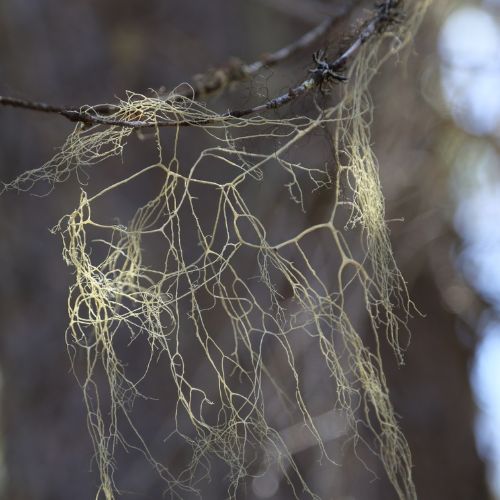
Angel's Hair is associated with older upland forests, especially White Spruce forests. Habitat suitability is predicted to decrease for this species.
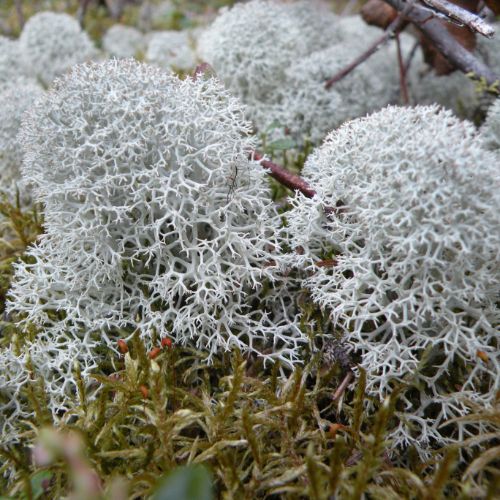
Star-Tipped Reindeer Lichen is commonly found in mature Pine and old Black Spruce forests. Habitat suitability for this species is not predicted to change.
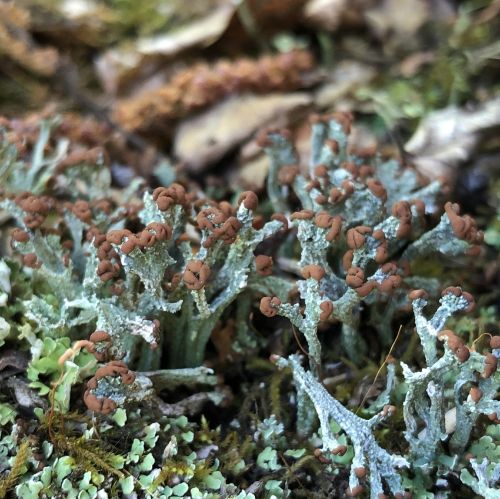
Peg-Leg Soldiers are most abundant in White Spruce forests and associated with shrubby vegetation. Habitat suitability is predicted to increase for this species.
Local Sector Effects. Predicted changes (%) to lichen species’ habitat suitability within each human footprint type compared to the habitat it replaced in the Al-Pac FMA area. Sector effects values <0% indicate lower suitability in that type of footprint than in the original habitat; values >0% indicate a positive response.
Regional Sector Effects. Total regional effects (%) on habitat suitability by the industrial sector for lichen species in the Al-Pac FMA area. Total effects values <0% indicate lower habitat suitability at the regional scale due to a particular sector; values >0% indicate an increase in habitat suitability.
Graph Interpretation
At the local scale where human footprint occurs, habitat suitability is reduced for 86% of lichen species in the Al-Pac FMA area.
- Habitat suitability is reduced for 80% of lichen species within forestry footprint and for more than 90% of species in the remaining sectors (energy, 93%; transportation, 95%; urban/industrial, 98%).
- In general, lichens are sensitive to changes in microclimate (local temperature, humidity) and amount of ambient rain and dust, all of which can be affected by human footprint.
- Habitat suitability increases in human footprint for several lichen species (e.g., British Soldiers, Peg-leg Soldiers, and Sheepish Pelt), mainly in forest harvest areas.
At the regional scale, overall human footprint lowers habitat suitability for 86% of lichen species in the Al-Pac FMA area.
- Forestry footprint has the greatest effects on regional habitat suitability for lichens compared to other sectors because it occupies the greatest area; effects range from a 30% loss (Lung Lichen) in habitat to a 9% gain (Peg-leg Soldiers).
- Forestry has somewhat stronger negative effects (>10%) on regional habitat suitability for 13 lichen species, such as Angel’s Hair (-26%), which are typically associated with older upland forests where this sector is most active.
- Energy has the next largest effect with effects ranging from a 3% loss to a 4% gain in habitat suitability.
- The limited extent of the other sectors reduces their effects on the regional habitat suitability for lichens, with all responses falling within ±1% of intact reference conditions.
References
Methods for summarizing sector effects are described in Section 1.3.3.