Status of Overall Biodiversity
Summary of the status of overall biodiversity and that of six taxonomic groups in the Al-Pac FMA area, based on the Biodiversity Intactness Index.
.svg)
- Intactness was high across all groups—over 90%—ranging from 93% for vascular plants to 97% for mammals.
- However, all groups except mammals included some species with intactness levels disproportionately lower than expected based on total human footprint.
- Species associated with mature forests showed the greatest declines in habitat suitability, while generalist species that can use a variety of habitats, including disturbed areas, showed increases.
Methods for summarizing biodiversity intactness are described in Section 1.3.3.

Introduction
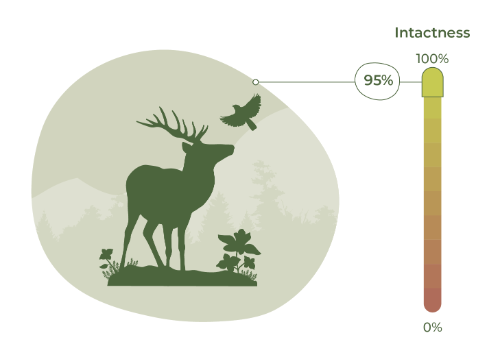
- The index estimates how much direct human footprint has altered species' habitat suitability, by comparing current conditions to a reference landscape with the same forest structure (e.g., age classes and stand types) but without human footprint. Fire or other natural disturbances do not affect the intactness index. Areas with minimal disturbance have high intactness scores, while heavily modified habitats have low intactness.
- In the Al-Pac FMA area, biodiversity is one of six key criteria in the 'Values, Objectives, Indicators, and Targets' (VOIT) framework for sustainable forest management[2].
- The framework includes objectives such as maintaining a full range of forest types and age classes (including old interior forest), preserving tree patches within harvested areas, protecting uncommon plant communities, and retaining key habitat features like fallen logs—supporting the habitat needs of a variety of species across the landscape.
- The results highlight ‘decreaser’ species with lower habitat suitability and ‘increaser’ species with improved habitat suitability in response to human footprint.
Results
Biodiversity Intactness
Status of 656 common species in Al-Pac’s FMA area, based on the Biodiversity Intactness Index averaged across six major taxonomic groups (circa 2023):
(n=79)
(n=10)
(n=87)
(n=260)
(n=112)
(n=108)
Highlights
- Intactness was high for all taxonomic groups in the Al-Pac FMA area, ranging from 93% for vascular plants to 97% for mammals. This high level of intactness reflects the generally low human footprint across the region, although individual species intactness ranged from 41% to 100% showing the range of responses (see range of intactness values by group in the graph below).
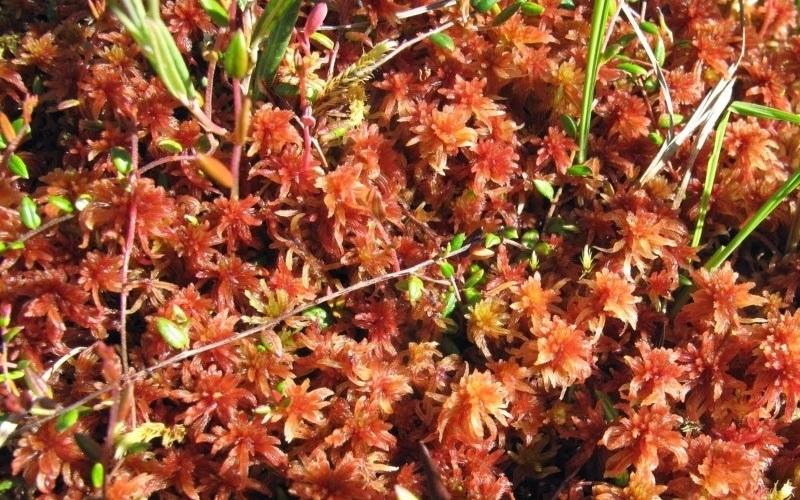
- Although average intactness was high across all taxonomic groups, habitat suitability declined for the majority of lichen (92%), moss (79%), and mite (66%) species. Many species in these groups are closely associated with habitats found in older forests and are sensitive to activities that alter their preferred habitat.
- For birds, mammals, and vascular plants, habitat suitability increased for a number of species as well. Many increaser species are associated with human-altered environments, while others are habitat generalists that use both native habitats and human-modified landscapes.
- All groups except mammals had some “strong decreaser” species with disproportionately low intactness—the drop in intactness from 100% was greater than the percentage of human footprint in the region. Many of these species are associated with mature/old forests and are negatively impacted by activities that impact their preferred habitat.
Biodiversity Intactness. Average estimated biodiversity intactness (circa 2023) for 656 species in the Al-Pac FMA area, estimated for each 1 square kilometre pixel. Zoom in for a detailed view of intactness.
Biodiversity Intactness. Distribution of species intactness by taxonomic group in the Al-Pac FMA area. Solid line at 100% indicates no difference in habitat suitability between the current landscape with human footprint and the modelled reference landscape without human footprint. The location of the data point relative to the reference line indicates whether habitat suitability for the species is predicted to decrease or increase relative to reference conditions; both positive and negative deviations from reference results in lower intactness. Each data point represents an individual species; hover over a data point to view the intactness value for an individual species.
Results
Intactness by Taxonomic Group
The ABMI assessed species intactness across six taxonomic groups—birds, mammals, soil mites, vascular plants, mosses, and lichens. Results show differences from intact reference conditions, including decreaser species with lower habitat suitability, and increaser species with improved habitat suitability as a result of human footprint at the regional scale.
Birds
Average intactness of 79 bird species, based on the Biodiversity Intactness Index (circa 2023):
Highlights
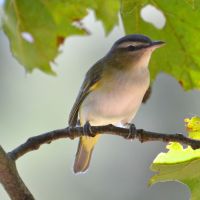
- In the Al-Pac FMA area, bird species intactness ranged from 75% to 100%, with habitat suitability decreasing for 60% of species and increasing for 40%.
- Out of the 79 species assessed, 51 had intactness scores within 5% of reference conditions, indicating that habitat suitability is generally high in the region. Note that human footprint is having local-scale impacts on habitat suitability for many species, but regional impacts are minimal due to the relatively small extent of human footprints (see Section 4.2). However, 11 species were more strongly affected by human footprint, with intactness scores below 90%, all of which showed declines.
- The species with the largest decreases in habitat suitability rely on mature to old forest to meet their habitat requirements for nesting and foraging. For example, Black-throated Green Warbler (75%) and Brown Creeper (76%) are associated with older forests.
- Species showing the greatest improvements in habitat suitability include those that benefit from habitats created by forest harvesting, such as Alder Flycatcher (85%) and Red-eyed Vireo (93%), which prefer young to middle-aged forests, as well as shrub-nesting species like Ruffed Grouse (87%) and Black-and-white Warbler (91%).
Bird Intactness. Intactness for bird species in the Al-Pac FMA area, circa 2023. Solid line at 100% indicates no difference in expected habitat suitability between the current landscape with human footprint and the modelled reference landscape without human footprint. Data points indicate deviation from 100% intact; for example, 75% intact indicates greater deviation from reference conditions than 99% intact. The location of the data point relative to the reference line indicates whether habitat suitability for the species is predicted to decrease or increase relative to reference conditions; both positive and negative deviations from reference results in lower intactness. Hover over a point to view intactness for each species.
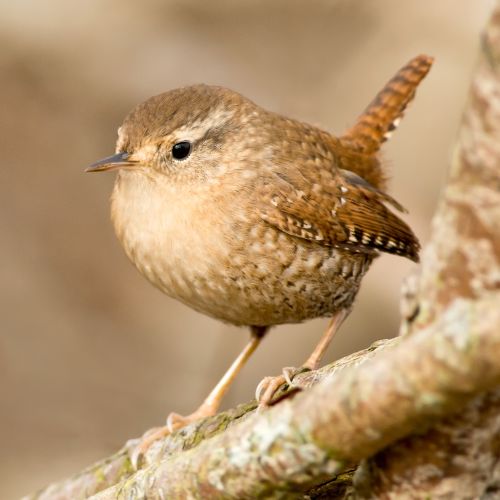
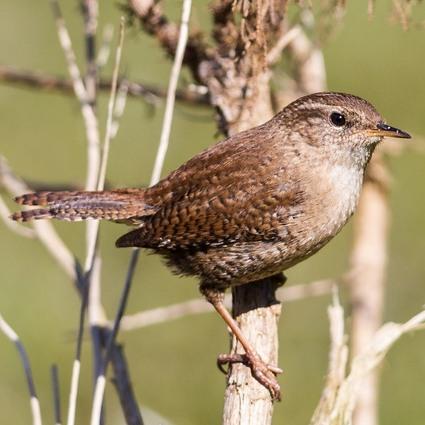
Habitat suitability for Winter Wren decreased; they prefer older coniferous or mixedwood forests with dense understory.
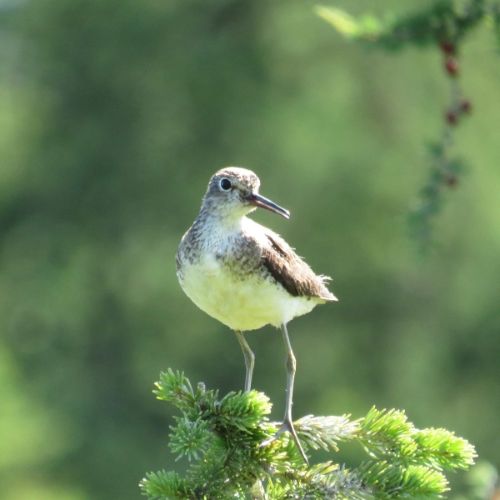
Habitat suitability for Solitary Sandpiper has remained unchanged, they nest in abandoned songbird nests in trees within forested wetlands or near water bodies.
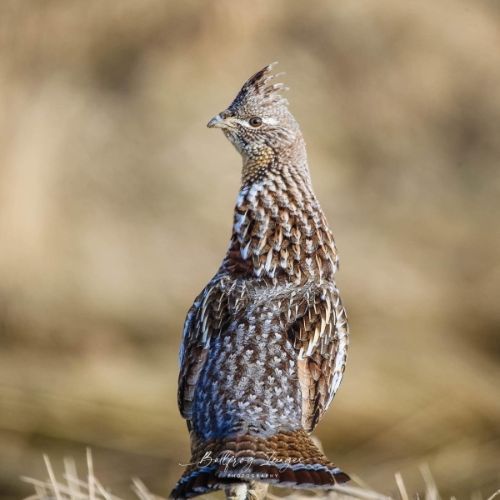
Habitat suitability for Ruffed Grouse increased, they prefer prefer deciduous and mixedwood forests but also nest in agricultural woodlots.
Mammals
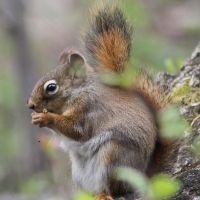
Average intactness of 10 mammal species, based on the Biodiversity Intactness Index (circa 2023):
Highlights
- Mammal species in the Al-Pac FMA area showed consistently high intactness, ranging from 90% to 100%, with eight out of ten species above 95%. This suggests that most are not strongly affected by human footprint at the regional scale, although local-scale impacts can be stronger (see Section 4.2). Many of these species are habitat generalists and show limited response to scattered human disturbance, contributing to their higher intactness scores.
- The species showing the greatest changes from intact reference conditions were species that respond positively to human footprint.
- Habitat suitability increased for the three canid species— Coyote (91%), Gray Wolf (94%), and Red Fox (99%)—all of which can use a variety of habitats as long as food is available. The Gray Wolf, however, tends to avoid human settlement and minimizes interactions with people.
Mammal Intactness. Intactness for mammal species in the Al-Pac FMA area, circa 2023. Solid line at 100% indicates no difference in expected habitat suitability between the current landscape with human footprint and the modelled reference landscape without human footprint. Data points indicate deviation from 100% intact; for example, 75% intact indicates greater deviation from reference conditions than 99% intact. The location of the data point relative to the reference line indicates whether habitat suitability for the species is predicted to decrease or increase relative to reference conditions; both positive and negative deviations from reference results in lower intactness. Hover over a point to view intactness for each species.
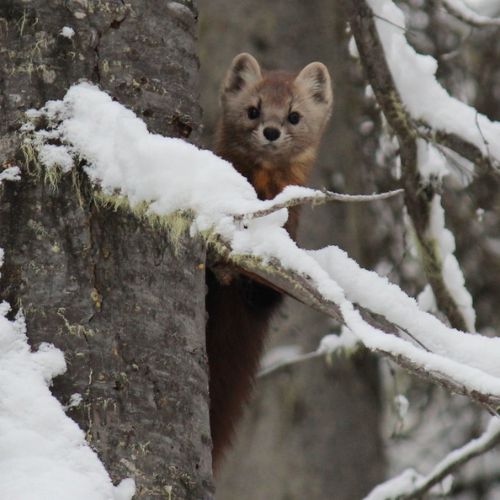
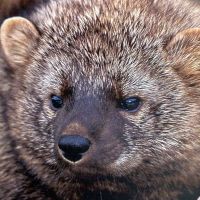
Habitat suitability decreased for Marten, they prefer coarse woody debris, snags, and a dense understory as cover in mature/old coniferous forests.
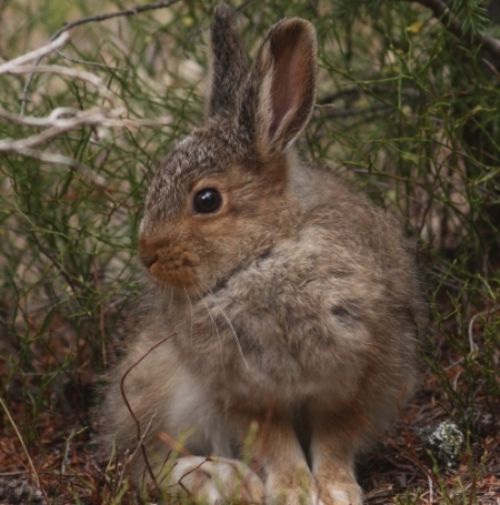
Habitat suitability remained unchanged for Snowshoe Hare. They are found in all forested and dense shrubby areas, using abandoned burrows or hollow logs for shelter and occasionally taking cover beneath buildings when needed.
_Vulpes%20vulpes_756x756.jpg)
Habitat suitability increased for the canid species, including Red Fox. These species are generalists that adapt well to a variety of disturbed and undisturbed habitats.
Soil Mites
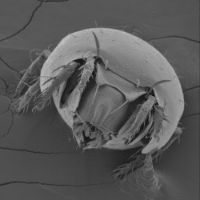
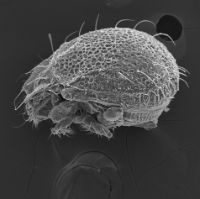
Average intactness of 87 soil mite species, based on the Biodiversity Intactness Index (circa 2023):
Highlights
- Soil mite intactness was high at 95% in the Al-Pac FMA area with habitat suitability within ±5% of reference conditions for 72% of species. Note that human footprint has local-scale impacts on habitat suitability for many species, but regional impacts are minimal due to the relatively small extent of human footprints (see Section 4.2).
- While intactness was high, the majority (66%) of species are negatively affected by human footprint, with 12 species less than 90% intact and 3 species less than 80% intact (Banksinoma spinifera, 75%, Epidamaeus sp. 1 DEW, 74%, and Punctoribates palustris, 74%).
- Of the species with the largest decreases in habitat suitability, many are associated with habitat features characteristic of mature/old forest habitat such as a substantial layer of forest litter. For example, Oribatella jacoti (85%) and Gymnodamaeus ornatus (89%) are associated with old deciduous and mixedwood stands; all human footprint types reduce habitat suitability for these species.
- The species with the largest increases in habitat suitability are either associated with human footprint, including forest harvest, or are associated with open habitats. For example, Epidamaeus sp. 2 DEW (97%) and Oribatodes mirabilis (96%) are strongly associated with younger harvested deciduous and mixedwood stands.
Soil Mite Intactness. Intactness for soil mite species in the Al-Pac FMA area, circa 2023. Solid line at 100% indicates no difference in expected habitat suitability between the current landscape with human footprint and the modelled reference landscape without human footprint. Data points indicate deviation from 100% intact; for example, 75% intact indicates greater deviation from reference conditions than 99% intact. The location of the data point relative to the reference line indicates whether habitat suitability for the species is predicted to decrease or increase relative to reference conditions; both positive and negative deviations from reference results in lower intactness. Hover over a point to view intactness for each species.
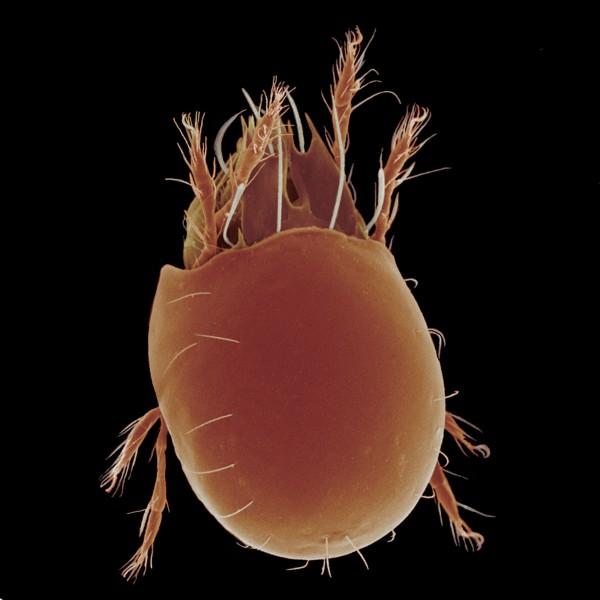
Habitat suitability decreased for Oribatella jacoti, which is associated with litter in upper soil organic layers in deciduous forests.
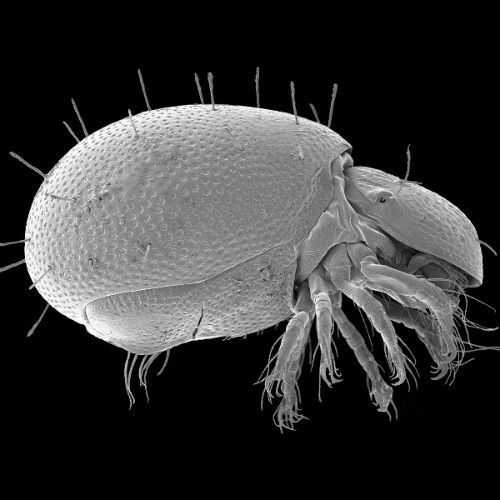
Habitat suitability remained unchanged for Atropacarus striculus, which responds negatively to most human footprint.
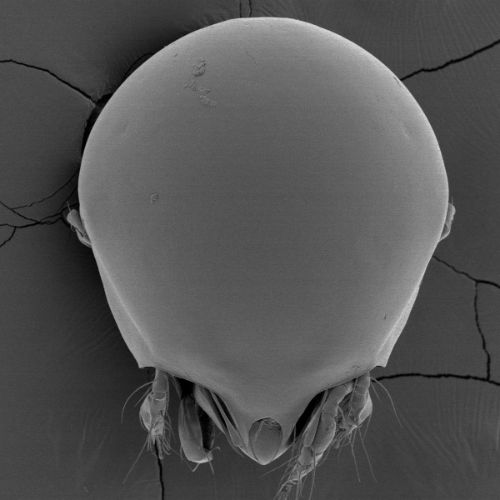
Habitat suitability increased for Punctoribates palustris, which is a common species that responds positively to most types of human footprint.
Vascular Plants
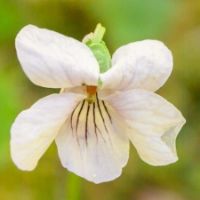
Average intactness of 260 vascular plant species, based on the Biodiversity Intactness Index (circa 2023):
Highlights
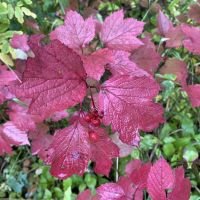
- Vascular plant intactness was high in the Al-Pac FMA area at 93%, with habitat suitability within ±5% of reference conditions for 60% of species. Note that human footprint has local-scale impacts on habitat suitability for many species, but regional impacts are minimal due to the relatively small extent of human footprints (see Section 4.2).
- While intactness was high, roughly half of species (52%) were negatively affected by human footprint, including 36 species less than 90% intact and 19 species had intactness scores below 80%.
- The species with the largest decreases in habitat suitability are all associated with mature/old forests. For example, Canada Anemone (90%) and Marsh Hedge Nettle (87%) are shade-tolerant perennial understory species.
- Habitat suitability increased for many vascular plant species, including 42 below 90% intact and 19 with scores under 80%.
- The vascular plant species with the largest increases in habitat suitability are all associated with human footprint, young harvested stands, or both. Several of these species are also associated with wetlands or moist soils. For example, Small Fruited Bulrush (85%) is associated with wet, open areas, habitat conditions that may increase with forest harvest.
Vascular Plant Intactness. Intactness for vascular plant species in the Al-Pac FMA area, circa 2023. Solid line at 100% indicates no difference in expected habitat suitability between the current landscape with human footprint and the modelled reference landscape without human footprint. Data points indicate deviation from 100% intact; for example, 75% intact indicates greater deviation from reference conditions than 99% intact. The location of the data point relative to the reference line indicates whether habitat suitability for the species is predicted to decrease or increase relative to reference conditions; both positive and negative deviations from reference results in lower intactness. Hover over a point to view intactness for each species.
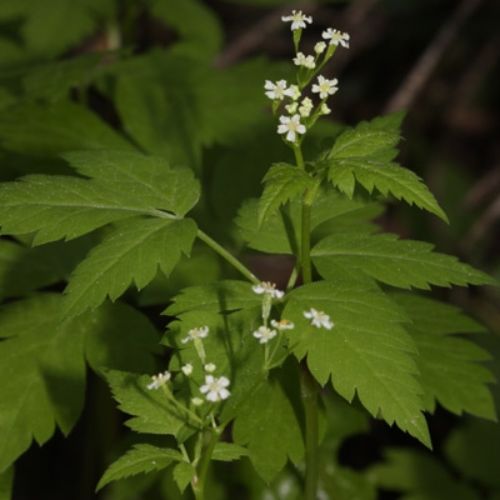
Habitat suitability decreased for Spreading Sweet Cicely, which is typically associated with mature deciduous and mixedwood stands.
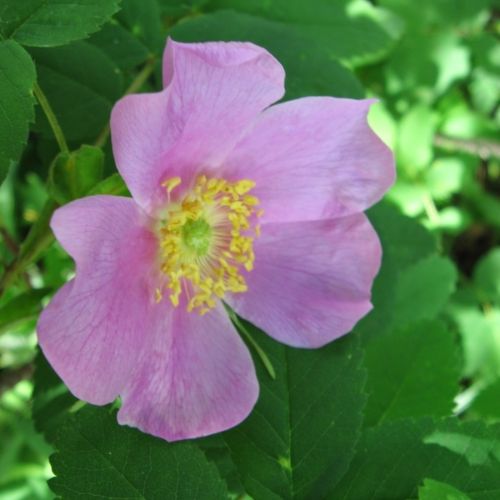
Habitat suitability remained unchanged for Prickly Rose; a common shrub, it is usually found in open woods and along rivers.
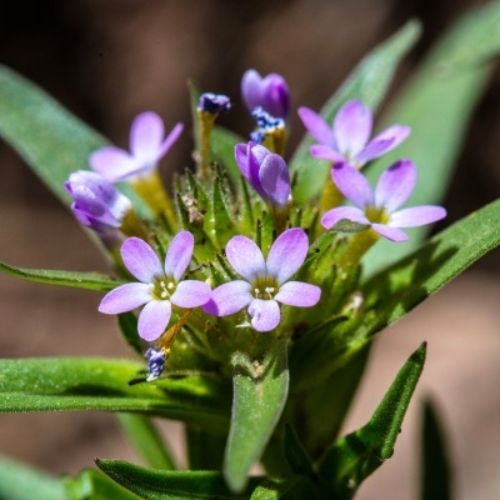
Habitat suitability increased for Narrow-leaved Collomia, a disturbance-tolerant grassland species that commonly occurs along roadsides and in dry, open soils.
Mosses
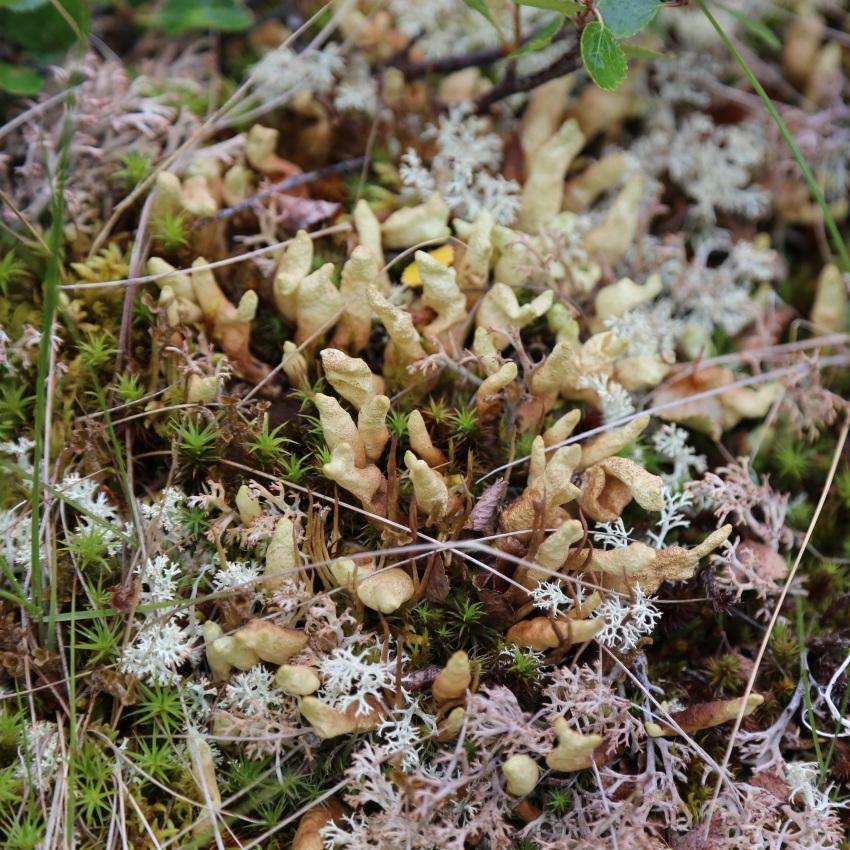
Average intactness of 112 moss species, based on the Biodiversity Intactness Index (circa 2023):
Highlights
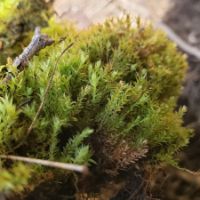
- Moss intactness was high in the Al-Pac FMA area at 95%, with habitat suitability within ±5% of reference conditions for 69% of species. Note that human footprint has local-scale impacts on habitat suitability for many species, but regional impacts are minimal due to the relatively small extent of human footprints (see Section 4.2).
- While intactness was high, the majority (79%) of species are negatively affected by human footprint, with 13 species less than 90% intact, and one species less than 80% intact (Red-stemmed Pipecleaner Moss, 77%).
- The moss species with the largest decreases in habitat suitability rely on mature/old forest to meet their habitat requirements for shade and moisture. For example, Red-mouthed Leafy Moss (80%) and Hypnum Moss (81%) are associated with mature mixedwood forest, and are virtually absent in areas with human footprint.
- The 24 moss species with increases in habitat suitability are generally widespread, indicating that they can grow in a variety of conditions. Habitat suitability improved the most for the Cord Moss (71%); this species is more of a generalist and can be found in various habitats, including forests, rock faces, decaying logs and stumps, and tree bases.
Moss Intactness. Intactness for moss species in the Al-Pac FMA area, circa 2023. Solid line at 100% indicates no difference in expected habitat suitability between the current landscape with human footprint and the modelled reference landscape without human footprint. Data points indicate deviation from 100% intact; for example, 75% intact indicates greater deviation from reference conditions than 99% intact. The location of the data point relative to the reference line indicates whether habitat suitability for the species is predicted to decrease or increase relative to reference conditions; both positive and negative deviations from reference results in lower intactness. Hover over a point to view intactness for each species.
.jpg)
Habitat suitability decreased for Red-mouthed Leafy Moss, which is a species that is associated with mature mixedwood and White Spruce forest stands and responds negatively to all human footprint.
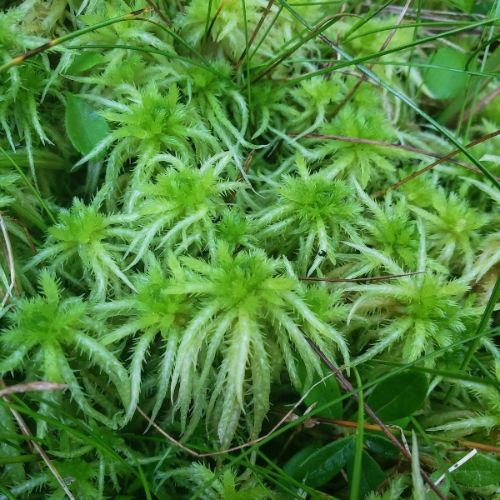
Habitat suitability remained unchanged for Squarrose Peat Moss, which is associated with black spruce forests, and responds negatively to non-forestry footprint.
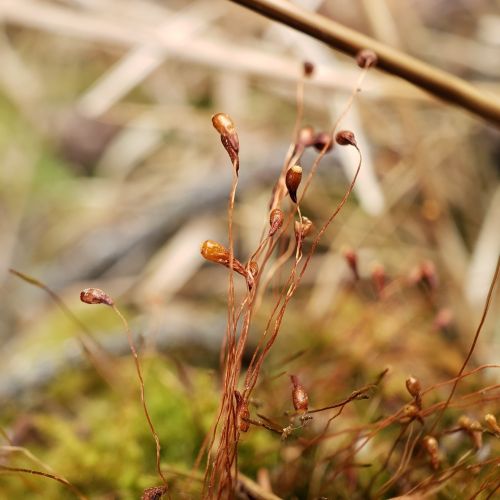
Habitat suitability increased for Golden Thread-moss, which is associated young harvested stands in forested regions.
Lichens
Average intactness of 108 lichen species, based on the Biodiversity Intactness Index (circa 2023):
Highlights
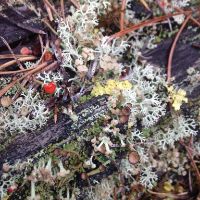
- Lichen intactness was high in the Al-Pac FMA area at 94%, with habitat suitability within ±5% of reference conditions for 61% of species. Note that human footprint has local-scale impacts on habitat suitability for many species, but regional impacts are minimal due to the relatively small extent of human footprints (see Section 4.2).
- While intactness was high, the majority (92%) of species are negatively affected by human footprint, with 17 species less than 90% intact and five species less than 80% intact.
- Many of the lichen species with the largest decreases in habitat suitability rely on mature/old forest to meet their habitat requirements, and rarely occur in areas with human footprint. For example, one of the species with the largest decrease in habitat suitability was Hooded Ramalina (80%), which grows on the bark of trees—particularly on conifers—and is associated with old forest, especially old White Spruce and deciduous stands.
- For the 9 lichen species with increases in habitat suitability, most prefer open or early successional habitats and/or are adapted to disturbance, such as the British Soldiers (95%).
Lichen Intactness. Intactness for lichen species in the Al-Pac FMA area, circa 2023. Solid line at 100% indicates no difference in expected habitat suitability between the current landscape with human footprint and the modelled reference landscape without human footprint. Data points indicate deviation from 100% intact; for example, 75% intact indicates greater deviation from reference conditions than 99% intact. The location of the data point relative to the reference line indicates whether habitat suitability for the species is predicted to decrease or increase relative to reference conditions; both positive and negative deviations from reference results in lower intactness. Hover over a point to view intactness for each species.
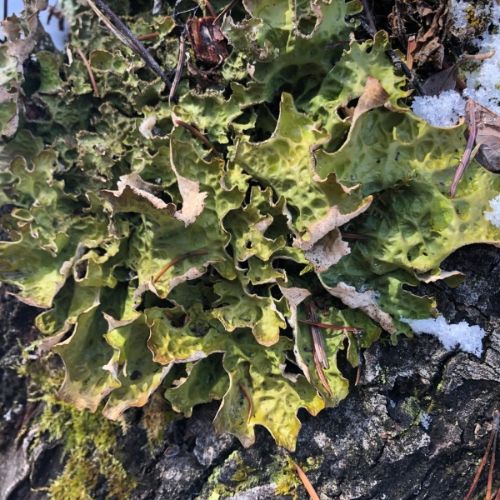
Habitat suitability decreased for Lung Lichen, which is found in mature mixedwood forest stands and is very sensitive to all human footprint.
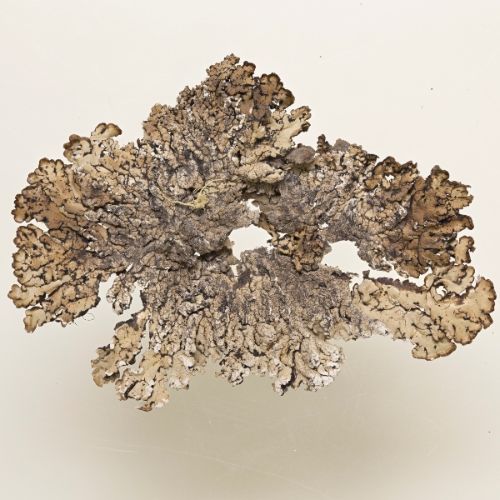
Habitat suitability remained unchanged for Two-toned Tube Lichen; it is associated with mature White Spruce and Pine forest stands.
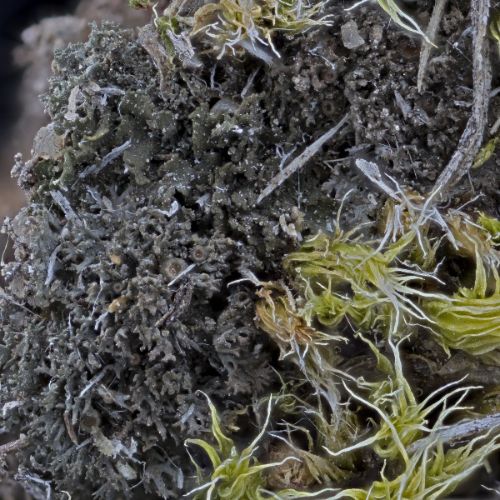
Habitat suitability increased for Lilliput Vinyl, a lichen species that commonly grows on mossy tree bark or rocks.
References
Alberta Biodiversity Monitoring Institute. 2017. ABMI Essentials: Intactness. Available at: https://abmi.ca/publication/496.
Alberta-Pacific Forest Industries Inc. 2022. Alberta-Pacific Forest Products Inc. Forest Management Agreement Area Forest Stewardship Report. Alberta-Pacific Forest Industries Inc. Available at: https://alpac.ca/wp-content/uploads/2021/06/Al-Pac-Stewardship-Report-2015-2020_complete_NCedit_21May21_final.pdf.
Methods for summarizing biodiversity intactness are described in Section 1.3.3.