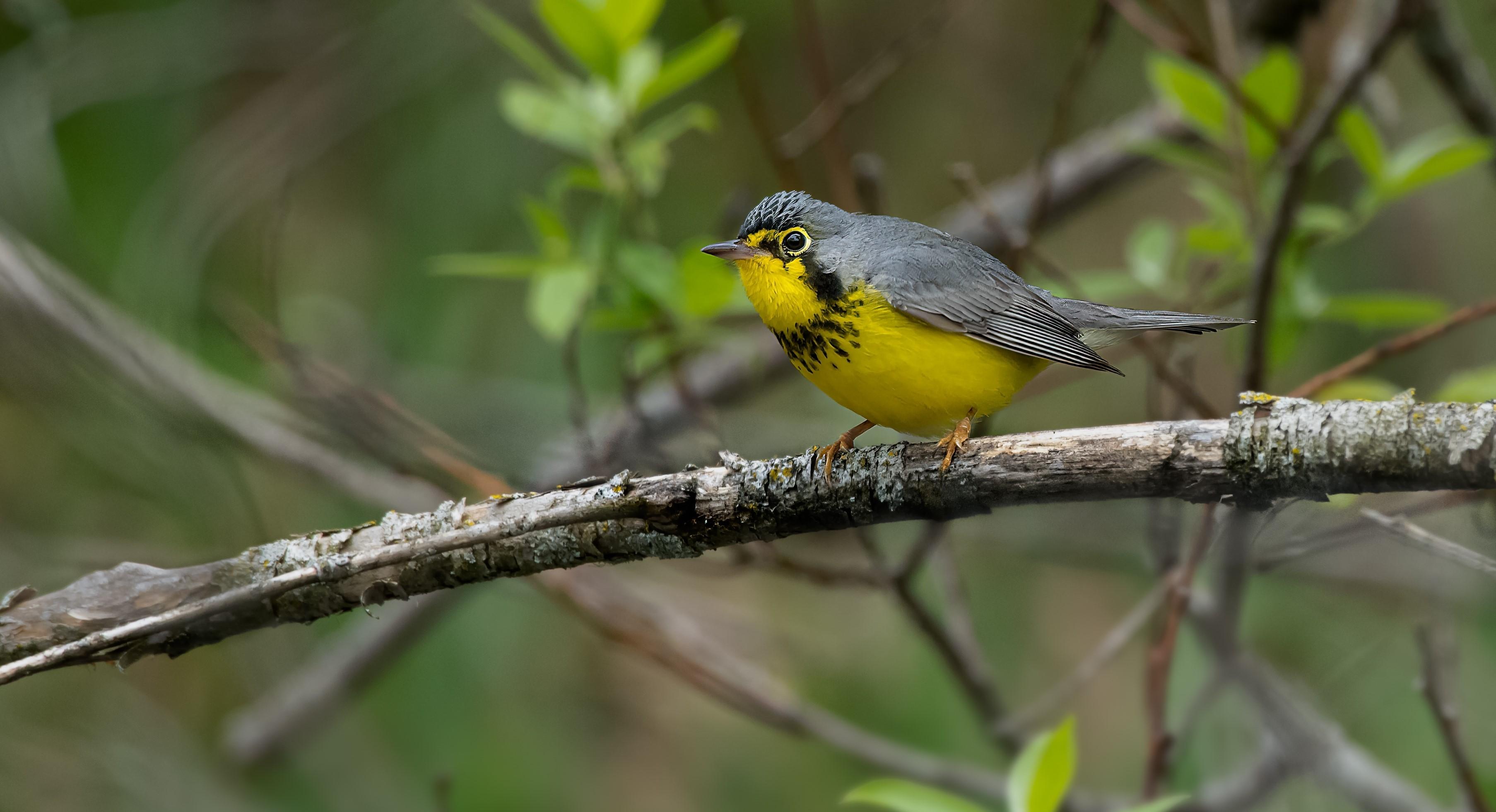
Species of Conservation Concern
Summary of the species of conservation concern in the Al-Pac FMA area, including per cent occurrence, and intactness for more commonly detected species.
.svg)
- Includes 18 birds, 8 mammals, and 5 species of amphibians, fish, and invertebrates.
- Of these, 15 species were detected by the ABMI, and 8 were detected frequently enough to calculate intactness.
Methods for summarizing species of conservation concern are described in Section 1.3.3.
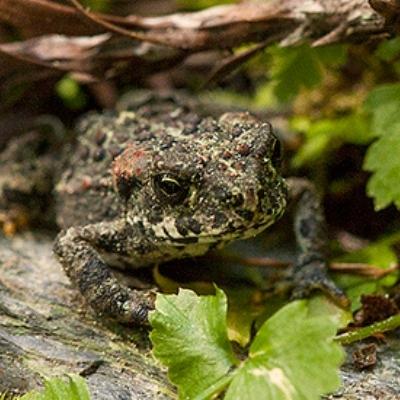

Western Toad
(SARA–Special Concern)
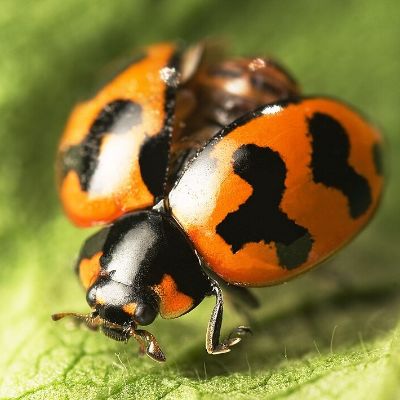
Transverse Lady Beetle
(SARA–Special Concern)
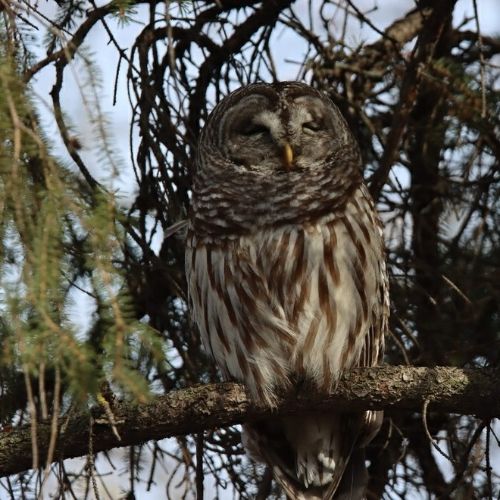
Barred Owl
(ESCC–Special Concern)
Introduction
These species are generally referred to as “species of conservation concern” because future declines in abundance or habitat may result in the loss of the species from an area.
In the Al-Pac FMA area, managing for species of conservation concern, including those officially listed or recommended for listing as species at risk under federal or provincial legislation, is a key priority for responsible forest management[1].
Al-Pac defines "Species at Risk" (SAR) as those that are federally and/or provincially listed and known or expected to occur within the FMA area based on range maps, records, and expert knowledge. This list is updated annually and includes species that are:
- federally listed as endangered, threatened, or of special concern under the Species at Risk Act (SARA);
- provincially listed as endangered, threatened, or of special concern under the Alberta Wildlife Act (AB);
- recommended for listing federally by the Committee on the Status of Endangered Wildlife in Canada (COSEWIC) or provincially by Alberta’s Endangered Species Conservation Committee (ESCC).
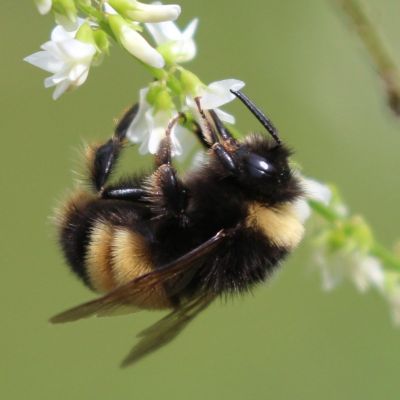
Yellow-banded Bumble Bee (SARA–Special Concern)
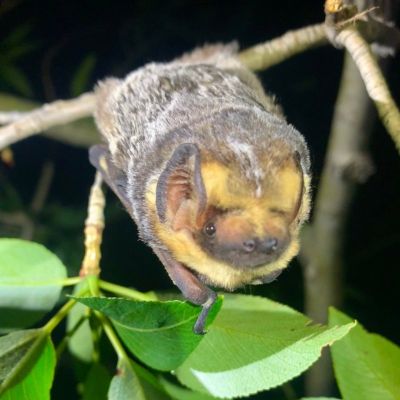
Hoary Bat (COSEWIC–Endangered, ESCC–Endangered)

Brassy Minnow (AB–Threatened)
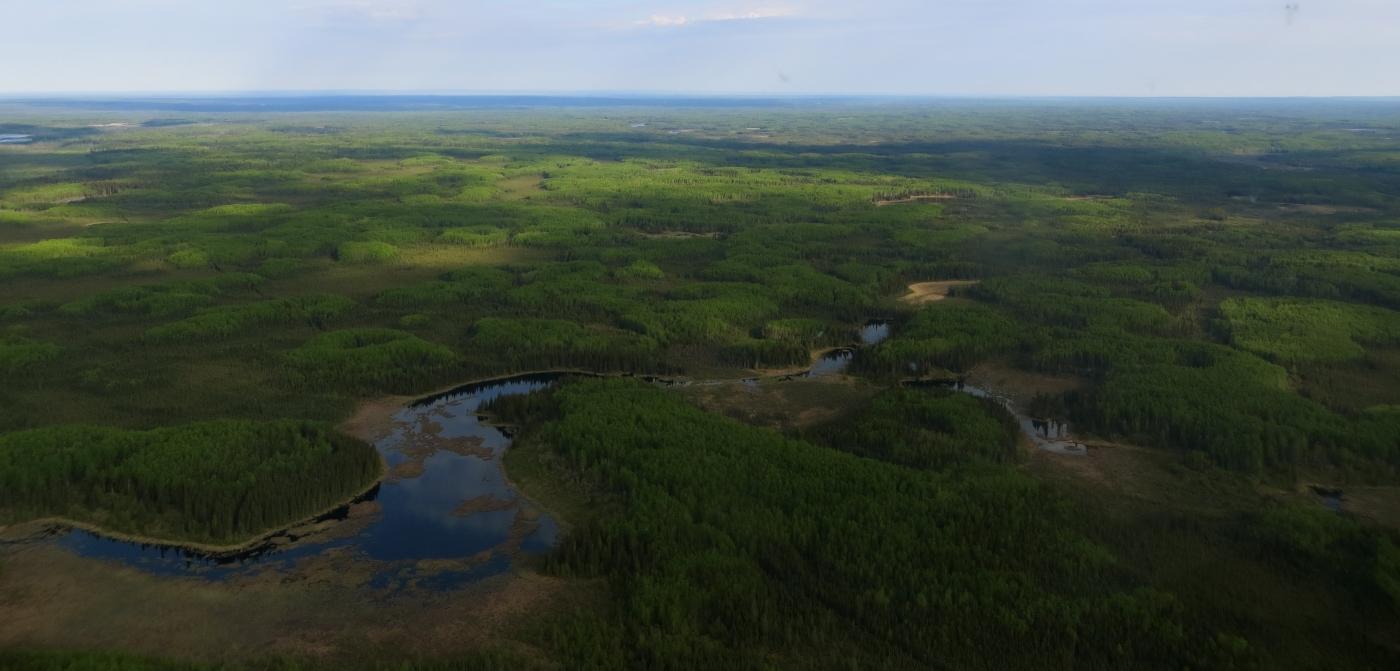
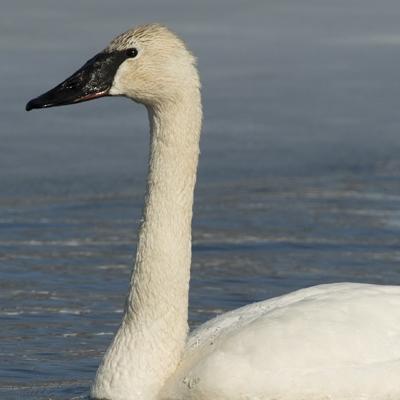
Trumpeter Swans nest on quiet boreal lakes—Al-Pac protects these areas with buffers and restrictions on activity during the nesting season.
Riparian areas connect wetlands and upland forests, supporting species like the Western Toad (shown). About 3 million hectares of these lowland habitats in Al-Pac’s FMA area are managed under Operating Ground Rules that guide forestry activity.
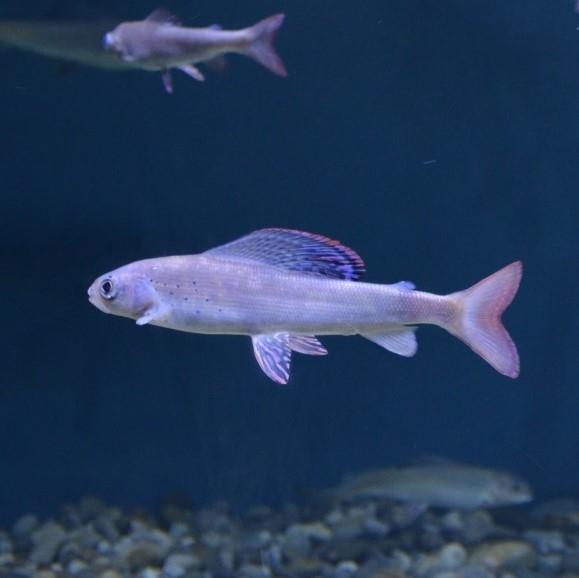
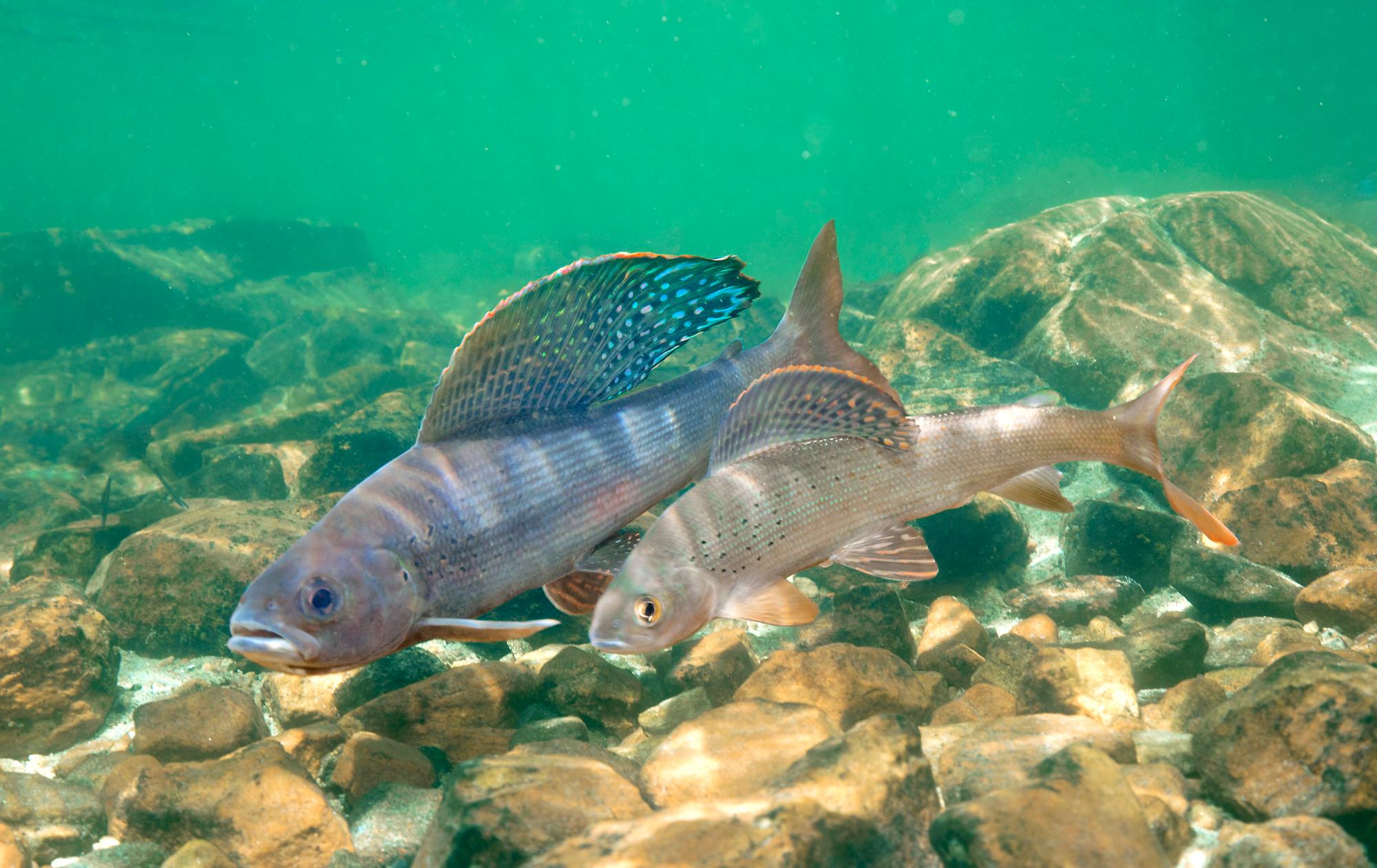
Arctic Grayling spawn in clear streams, and are vulnerable to sedimentation caused by development near streams. Al‑Pac protects these habitats with riparian buffers and strict crossing controls.
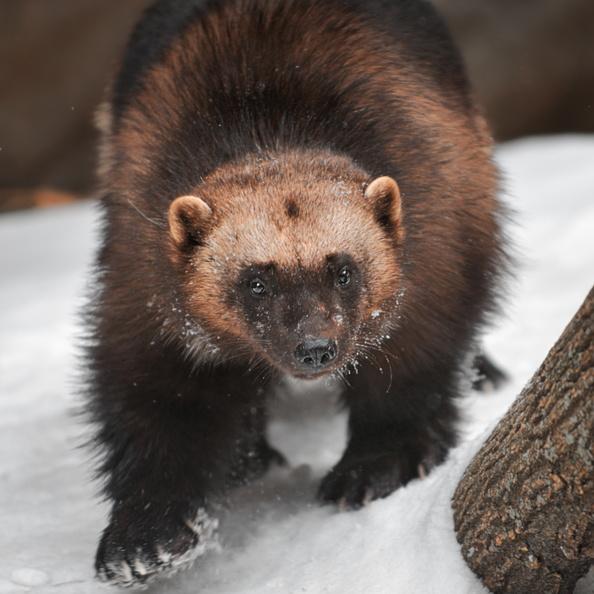
Several species in the FMA area require site‑specific measures to protect key habitat features. For example, Wolverines (shown) den in secluded forested areas; Al‑Pac protects known dens with a 100 m buffer.
results
Endangered, Threatened, or Special Concern under the Species at Risk Act (SARA)
_Rangifer%20tarandus_1884x2681.jpg)
Endangered, Threatened, or Special Concern under the Alberta Wildlife Act
Highlights
- Of the eight species that are common enough to allow for the calculation of the Biodiversity Intactness Index (see Section 4.1), habitat suitability was lower than expected (i.e., intactness <95%) compared to reference conditions for six species, and similar to reference conditions (i.e., intactness >95%) for three species .
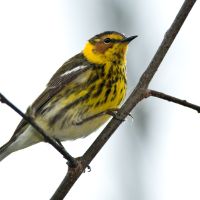
- The species with the biggest declines in habitat suitability were all old-forest dependent species, including: Black-throated Green Warbler (76% intact), Bay-breasted Warbler (85%), Canada Warbler (84%), and Cape May Warbler (91%). Habitat suitability for these species is reduced by activities that impact their old-forest habitat, such as forest harvesting.
- The three species at risk with habitat suitability largely unchanged as a result of human footprint were Common Nighthawk (99%), Olive-sided Flycatcher (99%), and Rusty Blackbird (98%).
- During the breeding season, Common Nighthawk and Olive-sided Flycatcher require clearings near forests and wetlands with an abundance of flying insects for foraging. Activities that increase open areas, such as recent harvests, can provide habitat for these species in the short term but they avoid dense, regenerating stands. Rusty Blackbird nests in treed bogs, fens, and swamps, foraging along muddy shorelines for aquatic invertebrates—habitats that typically have minimal development activities.
- Note that intactness is a measure of the predicted effects of local human footprint on habitat suitability; it is not a measure of population trend. Further, the ABMI cannot assess the status of all species of conservation concern in the Al-Pac FMA area for several reasons. First, by virtue of their rarity, some species of conservation concern were simply not detected or were not detected with enough frequency to adequately assess their status. Second, the ABMI monitoring protocols are not designed to monitor some species groups, such as owls, waterfowl, bats, and invertebrates that include some species of conservation concern.
Species of Conservation Concern. Summary of species of conservation concern including per cent occurrence (if available; i.e., per cent of unique detections at ABMI sites) and, where applicable, intactness in the Al-Pac FMA area. Threat categories for tracked species of conservation concern are: listed under Canada's Species at Risk Act (SARA) as Endangered, Threatened, or Special Concern; listed under Alberta’s Wildlife Act (AB) as Threatened; identified by Canada's Committee on the Status of Endangered Wildlife in Canada (COSEWIC) as Endangered, Threatened, or Special Concern; recommended by Alberta’s Endangered Species Conservation Committee (ESCC) as Endangered, or Special Concern. Sorted by Biodiveristy Intactness. Click on a species to visit its page in the Biodiversity Browser; some species profiles are not yet available.
References
Alberta-Pacific Forest Industries Inc. 2022. Alberta-Pacific Forest Products Inc. Forest Management Agreement Area Forest Stewardship Report. Alberta-Pacific Forest Industries Inc. Available at: https://alpac.ca/wp-content/uploads/2021/06/Al-Pac-Stewardship-Report-2015-2020_complete_NCedit_21May21_final.pdf.
Habib, T., K. Stewart-Shepherd, T. Langille-Hayward, T. Clark, K. McCleary. 2025. High Conservation Values in the Alberta-Pacific Forest Industries Inc. Forest Management Agreement Area. Available at: https://alpac.ca/wp-content/uploads/2025/11/Al-Pac-2025-HCV-Reassessment-Report-October-2025.pdf.
Methods for summarizing species of conservation concern are described in Section 1.3.3.