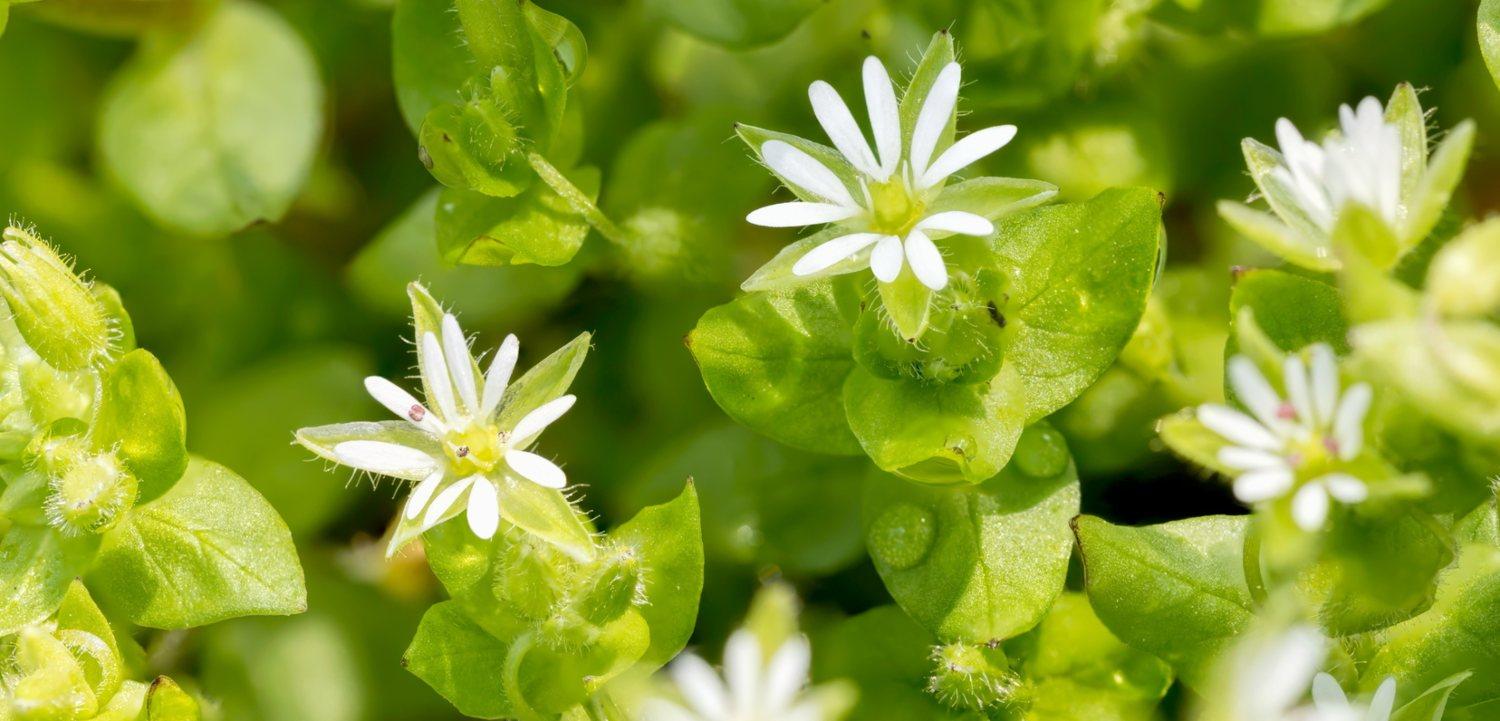
Status of Non-native Vascular Plants
Summary of non-native vascular plant detections and species richness in the Al-Pac FMA area.
.svg)
of non-native vascular plants detected.
surveyed had occurrences of non-native vascular plants.
at sites where non-native vascular plants were detected.
_Bromus%20tectorum_756x756.jpg)
of noxious weeds were detected.
Methods for summarizing non-native vascular plants are described in Section 1.3.3.
Introduction
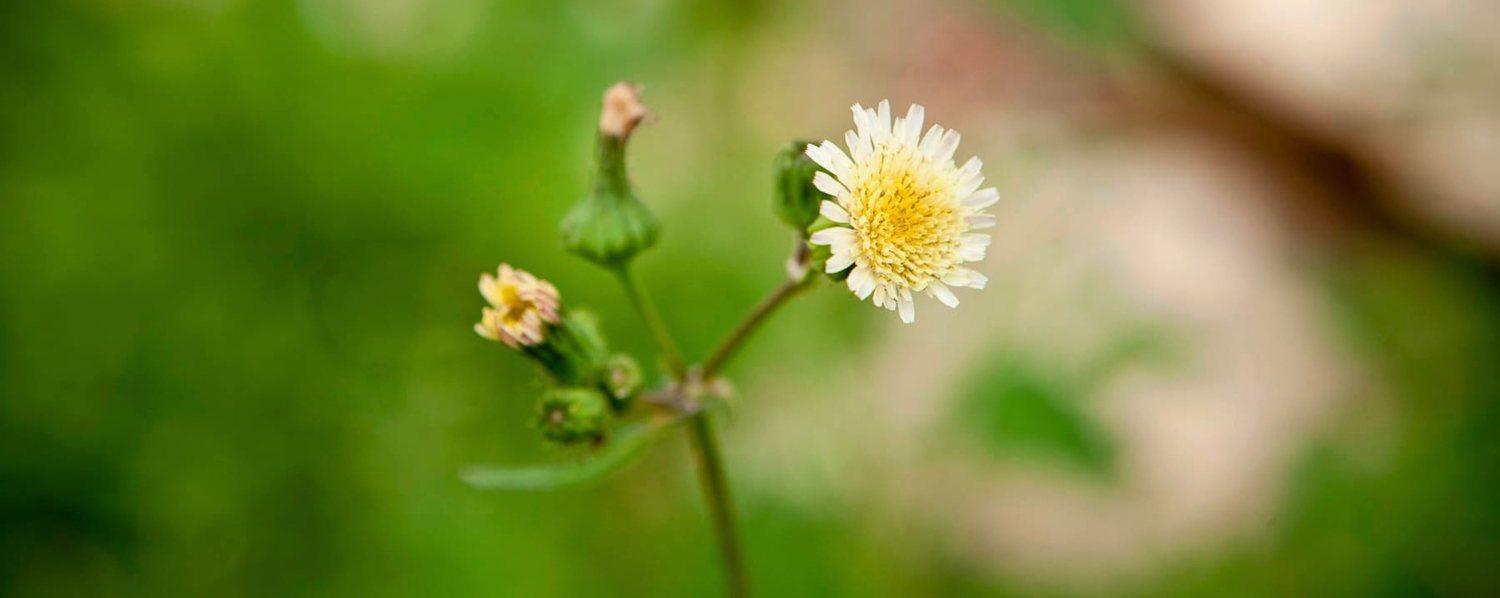
- Although non-native plants are not yet a major threat to native biodiversity across much of the boreal forest, they can have strong negative effects in localized areas with higher levels of human disturbance. As forestry, oil and gas, and other human activities continue to expand in northern Alberta, these species could become a greater management challenge.
- Human development activities create disturbed habitats that provide favorable conditions for non-native species to establish. Certain linear features, like roads and seismic lines, can further promote their spread enabling wind dispersal of seeds, including those of non-native plants, throughout the region[1,2].
- Warmer temperatures and longer growing seasons are also creating more favorable conditions for many non-native plants in the boreal region[3], potentially increasing their seed production and competitive ability[4].
- These factors could directly affect forest recovery as some non-native species, such as Creeping Thistle and Annual Hawk's Beard, can interfere with tree regeneration following fire or forest harvesting[5].
- Early action is the most effective way of managing non-native species before serious impacts have occurred. As part of its stewardship plan and to adhere to the Alberta Weed Control Act and its Regulations, all operators in the Al-Pac FMA area follow a noxious weed program, which includes weed treatment, abatement, and the annual tracking of control efforts. Between 2015 and 2020, around 1,700 km of roads along with several logging camps and log storage areas were treated to control noxious weeds[6].
- The ABMI's monitoring data provide a means to assess the current distribution of non-native species, serving as an early warning signal of potential risks to native biodiversity.
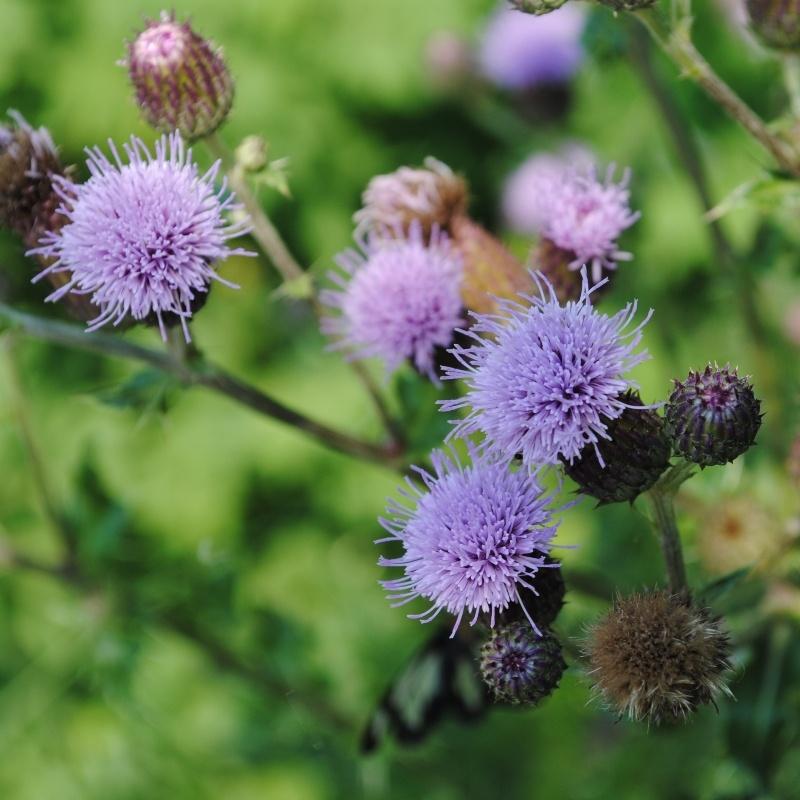

Creeping Thistle—detected at 12% of surveyed sites—thrives in agricultural lands and areas with human footprint.
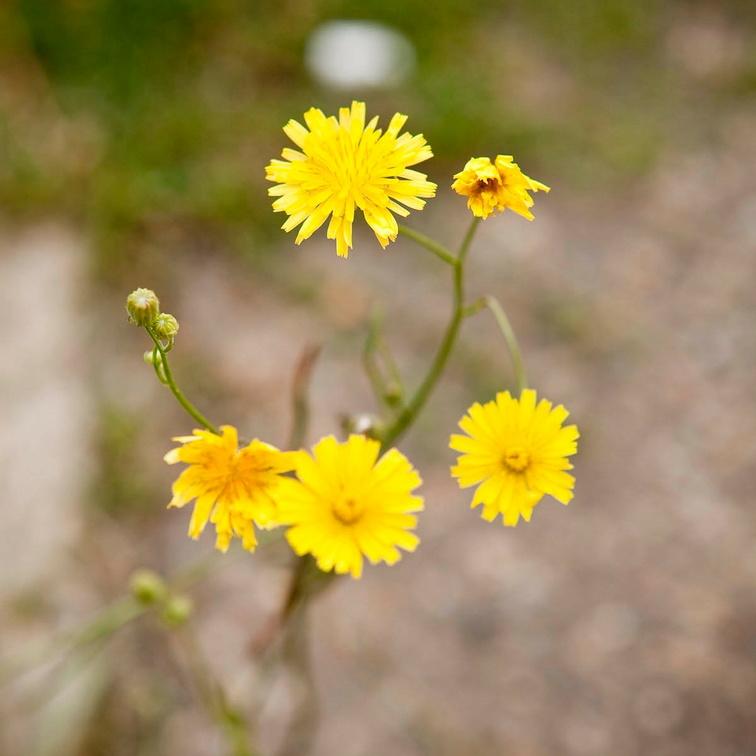
Annual Hawk’s Beard—detected at 18% of surveyed sites—grows in disturbed soils along roadsides, fields, and forest clearings.
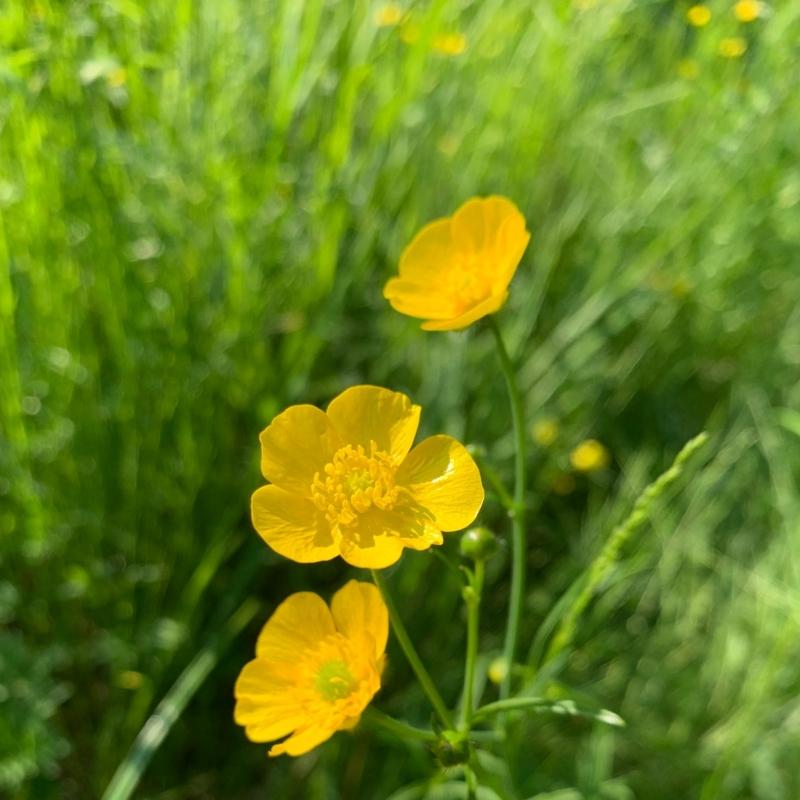
Al-Pac's noxious weed control program includes treatment, removal, and annual tracking of species such as Tall Buttercup.
Results
As of 2023, the number of unique non-native vascular plant species detected in the Al-Pac FMA area:
26 species in 2020
Highlights
- Non-native vascular plants were common in the Al-Pac FMA area, occurring at 46% of surveyed sites. At sites where they were detected, an average of seven non-native species were recorded. In total, 51 species were detected, though 32 can be considered rare, occurring at 5% or fewer sites.
- The most widespread species was Common Dandelion (35%), followed by Alsike Clover (22%) and Annual Hawk’s Beard and Timothy (both 18%).
- Several of the most common species are cultivated as hay and forage crops in agricultural settings, including Alsike Clover (22%), Timothy (18%), Red Clover (15%), White Clover (11%), and Alfalfa (4%).
- Seven non-native species are classified as noxious weeds under Alberta’s Weed Control Act. The four most common—Perennial Sow Thistle (14%), Creeping Thistle (12%), Scentless Chamomile (6%), and Tall Buttercup (5%)—were reported previously. Three additional noxious weeds were newly detected, each rare in the region and occurring at about 1% of sites: Common Tansy, Downy Chess, and Ox-eye Daisy.
- Since 2020, 25 additional species have been recorded in the Al-Pac FMA, including three newly detected noxious weeds. This increase likely reflects enhanced sampling in the region rather than a true change over time, as these species were likely present but previously undetected. Most are rare, occurring at fewer than 5% of sites, with the exception of Pineapple Weed, which occurs at about 8% of sites.
Non-native Vascular Plant Richness. The predicted species richness of non-native vascular plant species in the Al-Pac FMA area. Blue indicates areas where non-native species richness is predicted to be low or absent, and red indicates areas predicted to have high species richness. Zoom in on the map for a detailed view of the distribution of richness.
Status of Non-native Vascular Plants. Per cent occurrence of non-native vascular plants at monitoring sites that were surveyed for vascular plants between 2003 to 2023, including the year that each species was first reported in the Al-Pac FMA area. Species listed as noxious weeds under Alberta’s Weed Control Act are also identified. Species list sorted by per cent occurrence. Click on a species to view its profile in the Biodiversity Browser.
References
Roberts, D., S. Ciuti, Q.E. Barber, C. Willier, S.E. Nielsen. 2018. Accelerated Seed Dispersal along Linear Disturbances in the Canadian Oil Sands Region. Scientific Reports 8(1): 4828. Available at: https://www.nature.com/articles/s41598-018-22678-y.
Damschen, E.I. et al. 2014. How Fragmentation and Corridors Affect Wind Dynamics and Seed Dispersal in Open Habitats. Proceedings of the National Academy of Sciences 111(9): 3484–89. Available at: https://www.pnas.org/doi/full/10.1073/pnas.1308968111.
Foster, A.C. et al. 2022. Disturbances in North American Boreal Forest and Arctic Tundra: Impacts, Interactions, and Responses. Environmental Research Letters 17(11): 113001. Available at: https://dx.doi.org/10.1088/1748-9326/ac98d7.
Syed, O.A., V.M. Zhang, P.M. Kotanen. 2023. Potential Role of the Seed Bank in Spreading Invasive Plants in a Tundra-Edge Environment. Botany 101(6): 193–99. Available at: https://cdnsciencepub.com/doi/10.1139/cjb-2023-0019.
Sanderson, L.A., J.A. Mclaughlin, P.M. Antunes. 2012. The Last Great Forest: A Review of the Status of Invasive Species in the North American Boreal Forest. Forestry: An International Journal of Forest Research 85(3): 329–40. Available at: https://doi.org/10.1093/forestry/cps033.
Alberta-Pacific Forest Industries Inc. 2022. Alberta-Pacific Forest Products Inc. Forest Management Agreement Area Forest Stewardship Report. Alberta-Pacific Forest Industries Inc. Available at: https://alpac.ca/wp-content/uploads/2021/06/Al-Pac-Stewardship-Report-2015-2020_complete_NCedit_21May21_final.pdf.
Methods for summarizing non-native vascular plants are described in Section 1.3.3.