Introduction
Overview of the report including a summary of the indicators assessed in the Alberta-Pacific Forest Industries Inc. (Al-Pac) Forest Management Agreement (FMA) area.
.svg)
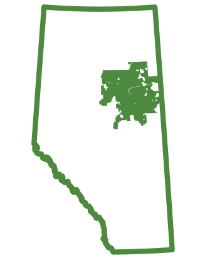
It represents the fourth report in a long-term monitoring series prepared by the Alberta Biodiversity Monitoring Institute (ABMI) for this region.
Introduction
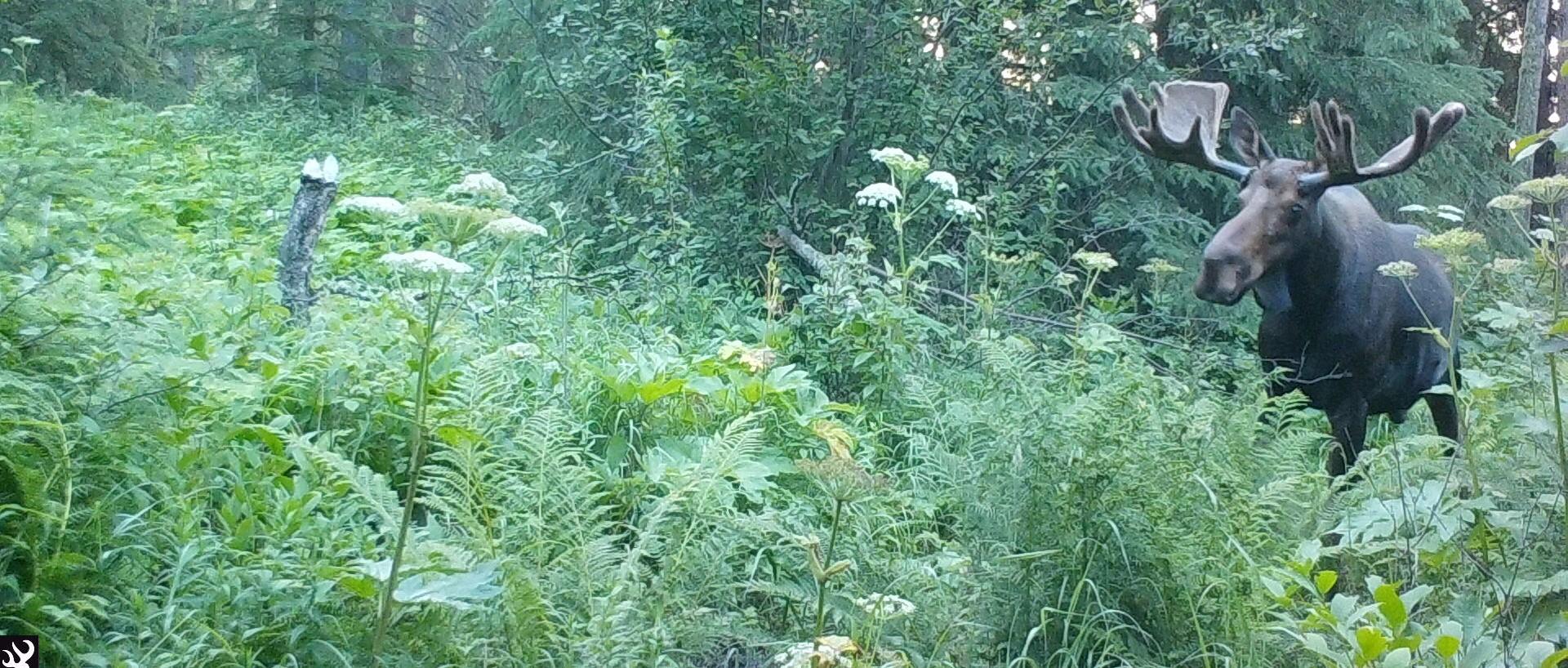
The Al-Pac FMA area lies almost entirely within the Boreal Forest Natural Region, a mosaic of forests and wetlands that supports a rich diversity of species and ecosystems. Conserving that diversity is central to Al-Pac’s stewardship approach[1].
Al-Pac uses a landscape-level, adaptive approach that integrates biodiversity objectives into forest planning, harvest design, and regeneration to emulate natural disturbance and sustain native habitats.
Through its Forest Stewardship Council® certification (FSC® C022642) and High Conservation Value framework, Al-Pac identifies and manages forests to maintain important habitats, protect species at risk, and sustain ecological processes across the FMA area[2].
About this Report
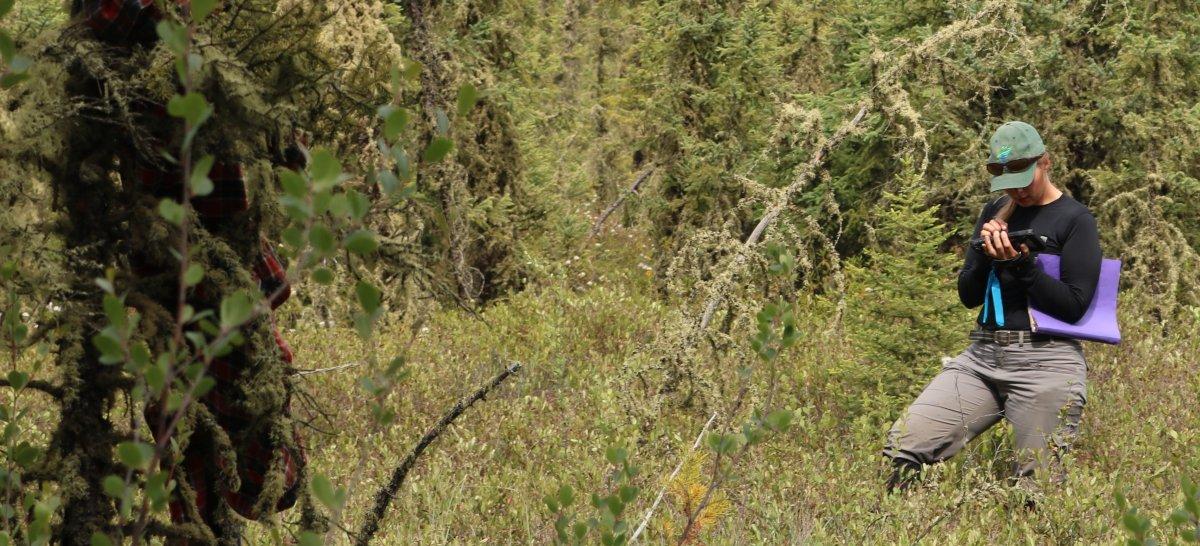
Building on previous assessments from 2009, 2014, and 2020, this report uses the ABMI’s standardized, province-wide monitoring data to examine how natural landscapes and species are responding to human footprint, wildfire, and other land base changes over time.
New in this 2025 update:
- New indicators of natural landscape condition, including native cover (terrestrial and aquatic habitats) and landscape connectivity.
- Extended trend data for vegetation and human footprint (1950–2023).
- Updated biodiversity intactness for more than 640 species using new habitat models.
- Integrated land base and sector effects linking human activity and natural disturbance to species habitat suitability.
This update also includes research spotlights highlighting recent findings relevant to sustainable forest management, including:
- Evaluation of harvest retention patches, including comparisons of their habitat characteristics to wildfire patches and their role as habitat for forest songbirds.
- Fragmentation effects on Canada Warbler and Black-throated Green Warbler.
- Vegetation recovery on seismic lines to support caribou habitat restoration.
Indicator Themes
- Natural Landscape Indicators: assess the condition of native vegetation, native cover, interior native habitat, and landscape connectivity.
- Land Base Change Indicators: evaluate how human footprint, wildfire, and linear feature density are impacting forest ecosystems.
- Biodiversity Indicators: measure habitat suitability for hundreds of species impacted by human footprint and natural disturbance.
Along with this suite of indicators, we also present information on species of management interest in the Al-Pac FMA area including:
- Assessment of federally and/or provincially designated species of conservation concern and non-native vascular plant species.
- Research highlights on species at risk, including Woodland Caribou, Canada Warbler, and Black-throated Green Warbler.
Together, the information in this report provides a comprehensive picture of the Al-Pac FMA area and how ecosystems and species are responding to pressures across the land base.
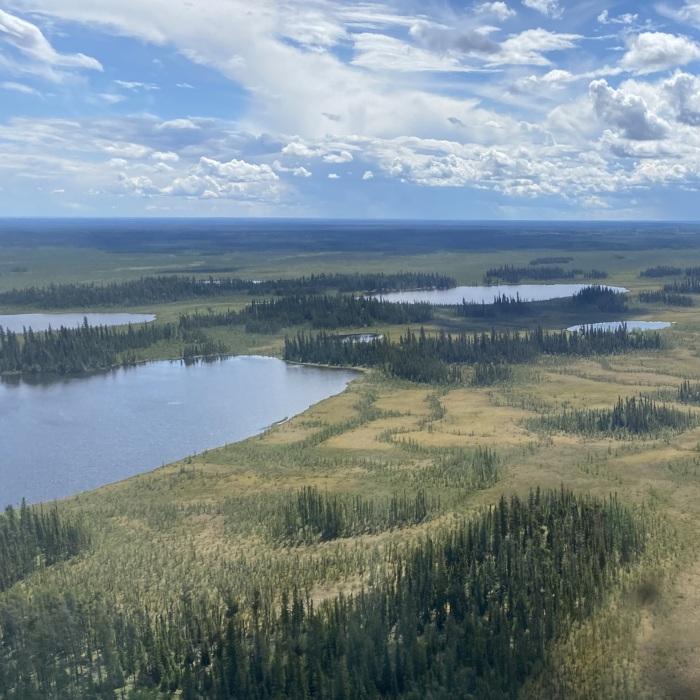
...changes in native habitat...
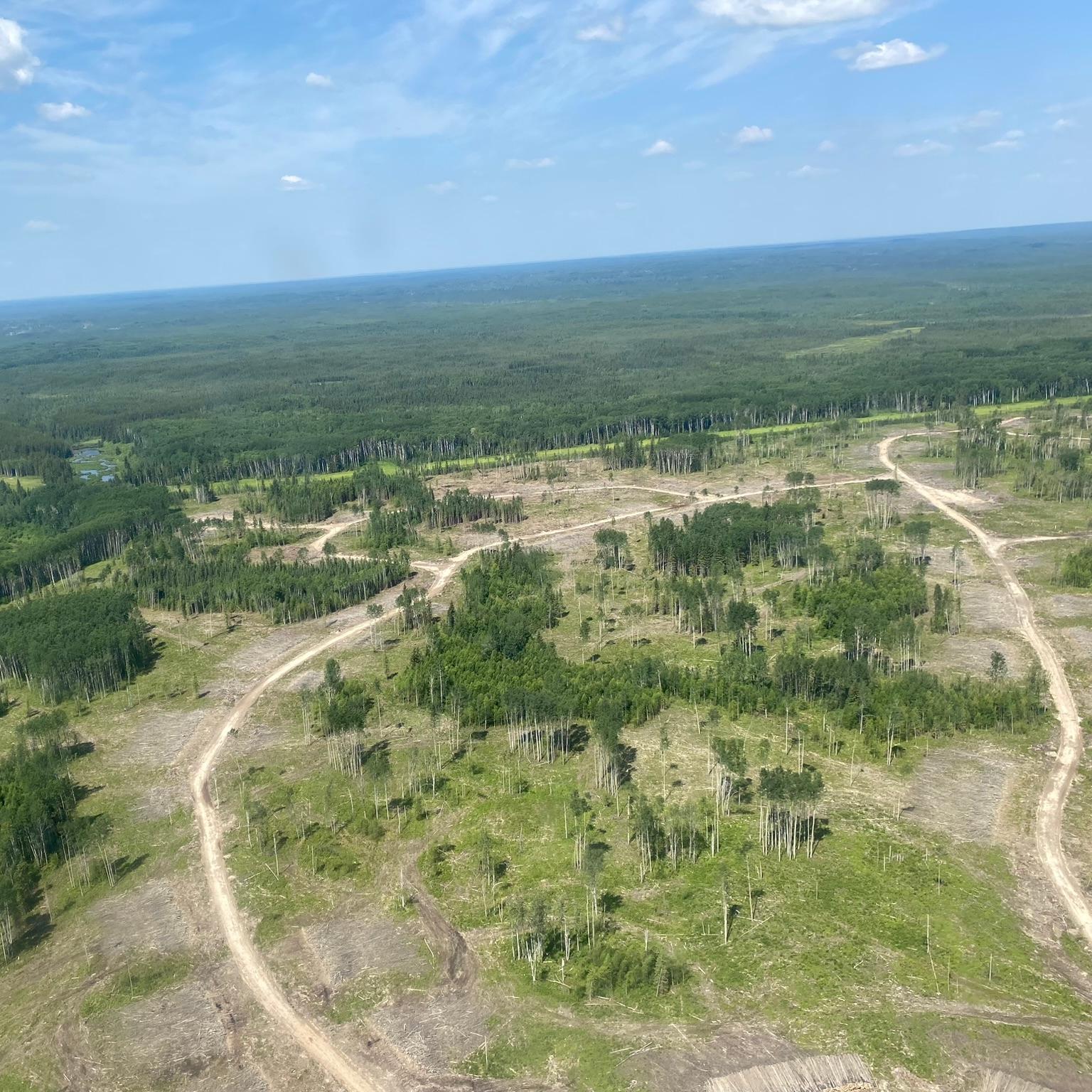
...amount of disturbance...
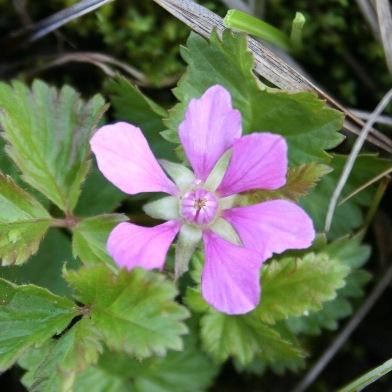
...and impacts of disturbance on species habitat suitability.
References
Alberta-Pacific Forest Industries Inc. 2022. Alberta-Pacific Forest Products Inc. Forest Management Agreement Area Forest Stewardship Report. Alberta-Pacific Forest Industries Inc. Available at: https://alpac.ca/wp-content/uploads/2021/06/Al-Pac-Stewardship-Report-2015-2020_complete_NCedit_21May21_final.pdf.
Habib, T., K. Stewart-Shepherd, T. Langille-Hayward, T. Clark, K. McCleary. 2025. High Conservation Values in the Alberta-Pacific Forest Industries Inc. Forest Management Agreement Area. Available at: https://alpac.ca/wp-content/uploads/2025/11/Al-Pac-2025-HCV-Reassessment-Report-October-2025.pdf.